News & Trends

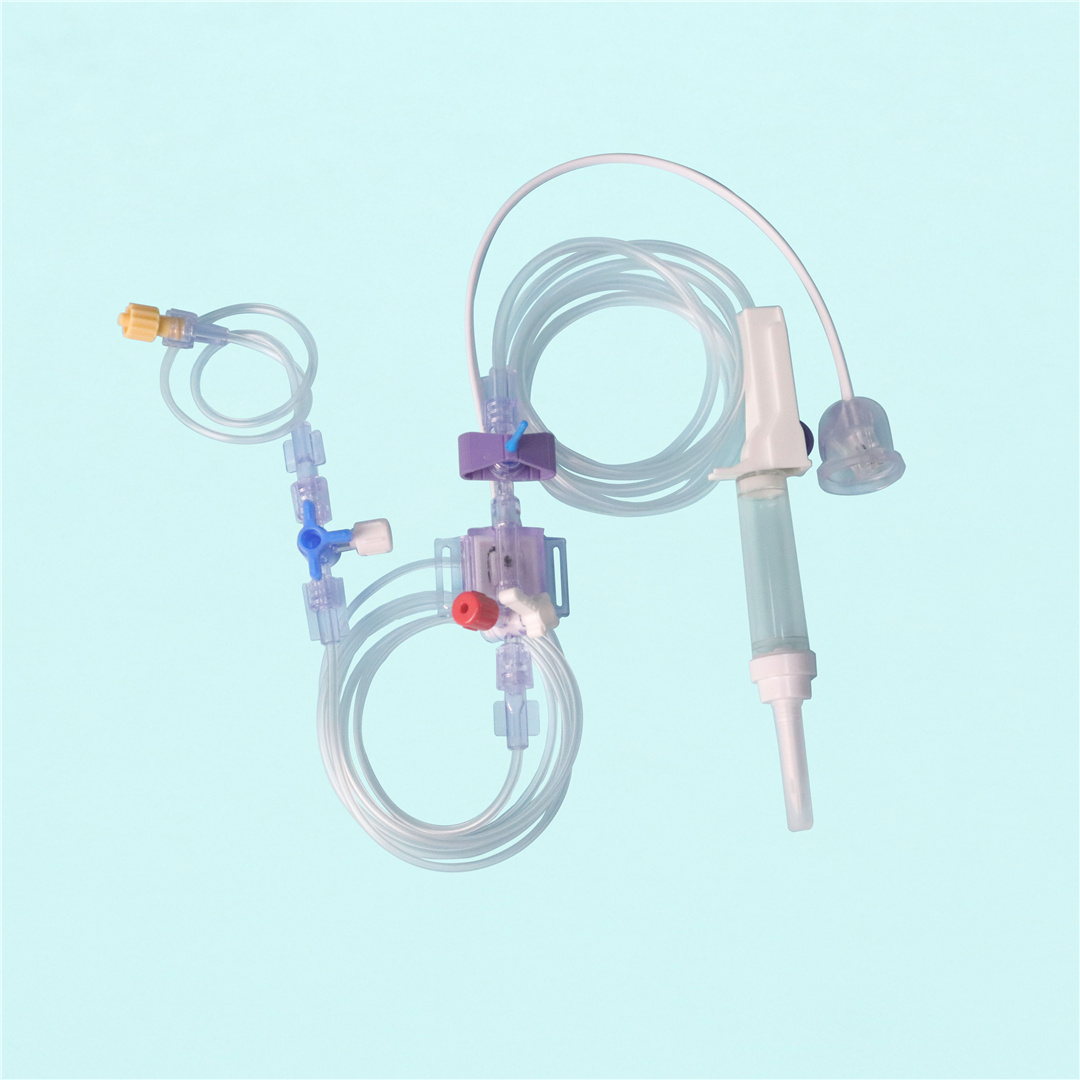


New Breakthrough in Interventional Surgery: The Peel-Away Sheath Enables Atraumatic Removal of Access Channels
2026-06-19
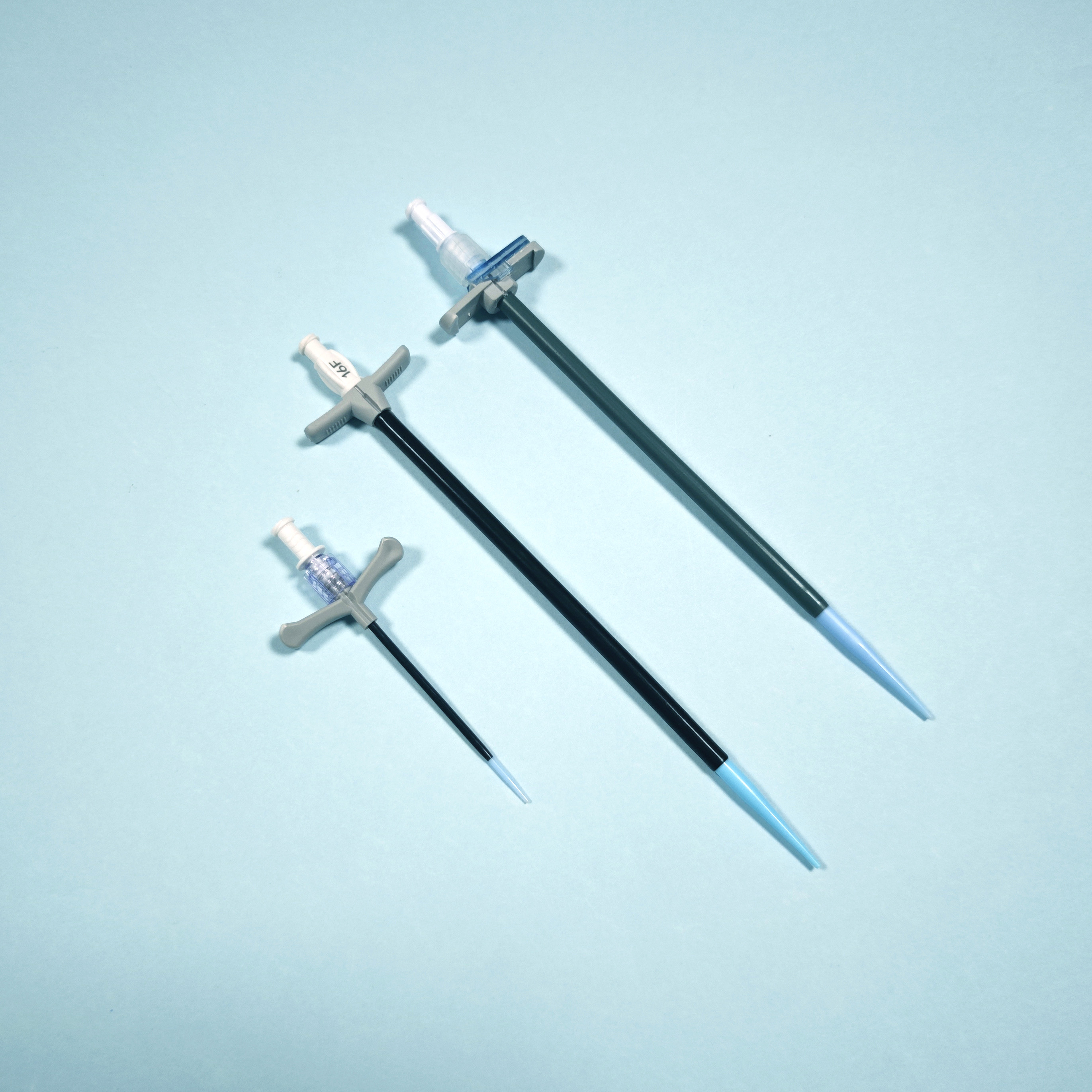
In minimally invasive procedures such as cardiac pacemaker implantation and vascular interventions, physicians often need to establish a temporary access channel from outside the body to the target site for precise delivery of leads, catheters, and other delicate instruments. After traditional sheaths have served their purpose, they usually require complete withdrawal, which may displace already placed devices or increase surgical risks. Today, an innovative product—the peel-away sheath (also known as tear-away sheath)—is rewriting this process, achieving truly atraumatic establishment and removal of interventional access channels.
I. “Peel and remove” – a new concept in access management
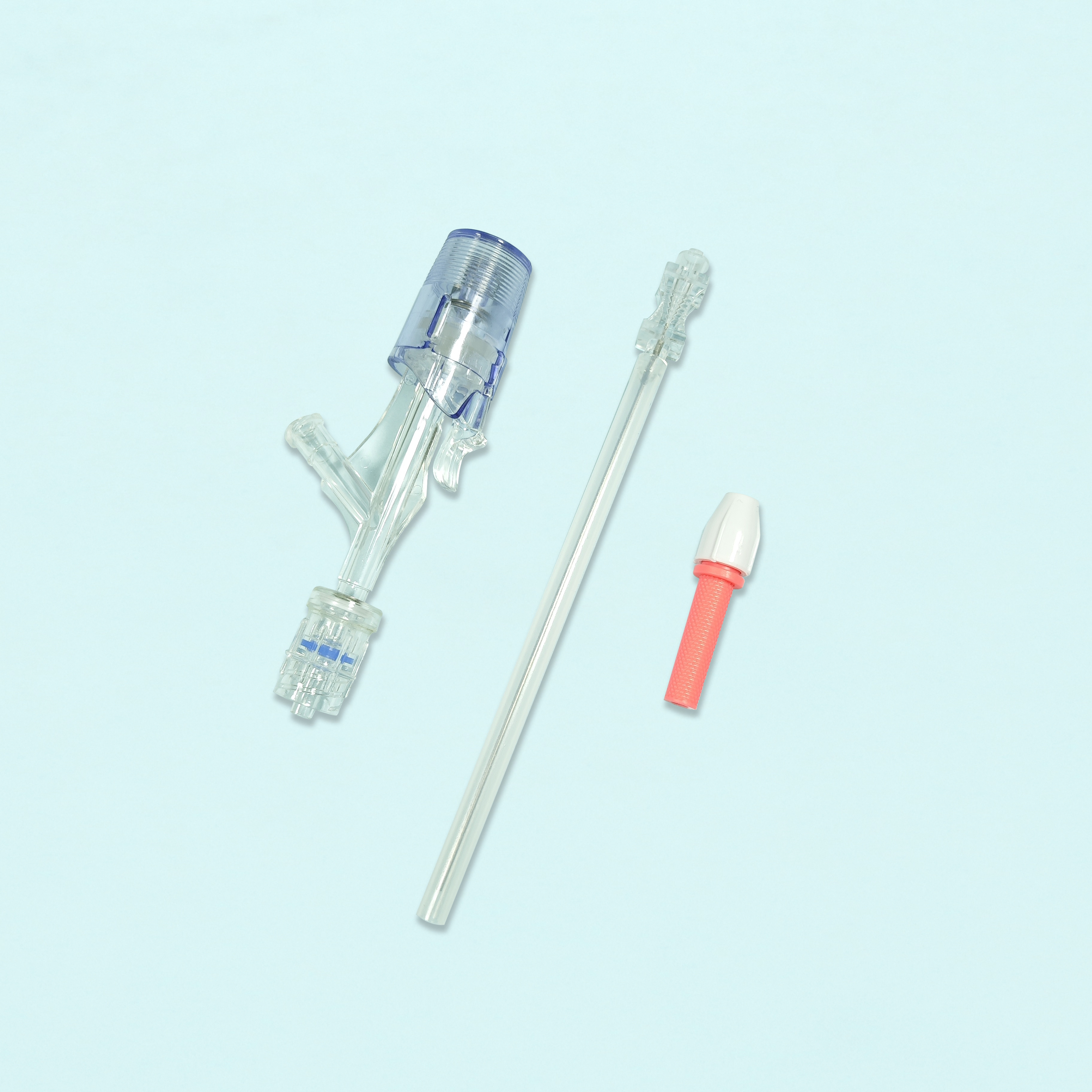
The core design feature of the peel-away sheath lies in its longitudinal tear lines. During surgery, guided by a puncture needle and guidewire, the sheath along with its internal dilator is introduced into the target vessel or body cavity. Once the proper position is reached, the dilator is withdrawn, leaving the sheath as a clear working channel. After all therapeutic devices (e.g., pacing leads, stents) are deployed, the physician simply grasps the wings at the proximal end of the sheath and pulls them apart. The sheath splits neatly into two halves along the preset tear lines and is easily removed from the patient, while the previously placed devices remain undisturbed.
This “peel‑and‑remove” design completely solves the problem of traditional sheaths potentially pulling, displacing, or even damaging implanted devices during withdrawal, earning it the reputation among clinicians as the “safety insurance for interventional withdrawal.”
II. Wide applications – from pacemaker implantation to various interventions
Cardiac pacemaker implantation is one of the most representative applications. After a pacing lead is implanted, its tip must be securely embedded in the endocardium. Forcefully withdrawing a conventional outer sheath at this stage could easily cause lead dislodgement. By “splitting in situ,” the peel‑away sheath separates itself from around the lead, ensuring lead stability while significantly shortening operation time.
Furthermore, peel‑away sheaths play an indispensable role in percutaneous vascular interventions (e.g., stent delivery, Balloon Dilatation), non‑vascular interventions (e.g., abscess drainage, biliary procedures), and central venous catheter placement. Available in diameters ranging from 3.5 French to 16 French, they match different device sizes and meet the needs of both adult and pediatric patients.
III. Material and standards – safety built into every design feature
To balance flexibility, kink resistance, and visibility, peel‑away sheaths are typically made of high‑density polyethylene (HDPE) or medium‑density polyethylene (MDPE), with 20 % barium sulfate (BaSO₄) added for clear X‑ray visualization. The tearing force of the sheath is precisely controlled – ensuring smooth and effortless splitting while preventing inadvertent rupture during blood flow or device passage.
China has also issued a group standard, T/SSBME 3‑2025 Tear‑away Sheath, which specifies requirements for physical properties (e.g., pressure resistance, kink resistance), chemical safety (non‑cytotoxic, non‑sensitizing), and sterility assurance. This means that what reaches the clinic is no longer just a plastic tube, but a medical device that has undergone systematic validation.
IV. Clinical benefits – safer, more efficient, more minimally invasive
For patients, the most tangible benefit of the peel‑away sheath is reduced surgical risk – lower chances of device displacement, vascular injury, or repeat puncture caused by sheath withdrawal. At the same time, simplified steps often lead to shorter procedure times, thereby reducing anesthesia‑related and infection risks.
For physicians, this tool provides greater operational freedom: the operator can confirm perfect device placement before calmly dismantling the access channel, without worrying that sheath withdrawal might undo all the work accomplished.
Outlook
With the rapid development of interventional cardiology, neurointervention, oncologic intervention and other minimally invasive fields, the peel‑away sheath – thanks to its unique atraumatic removal function – is gradually becoming a standard device in interventional suites. In the future, newer versions with thinner walls, greater flexibility, and even hydrophilic coatings or antimicrobial properties will continue to emerge, further driving interventional procedures toward greater precision and safety.
A small peel‑away sheath peels away the constraints on instruments while safeguarding the patient’s lifeline. This step – from “pulling” to “peeling” – vividly illustrates the continuous boundary‑pushing of minimally invasive medicine.
Disclaimer: This article is for medical popularization, purposes only and does not constitute professional medical advice. Please always follow the diagnosis and treatment plans provided by your treating physician.