


News & Trends



01
Double-J Protection, Unobstructed Drainage – The Reliable Choice for Ureteral Stents
2026-05-22
In urological clinical practice, ureteral obstruction is a common and challenging problem. Whether caused by impacted stones, postoperative strictures, or traumatic ureteral injury, timely restoration of unobstructed urine drainage is the key to protecting renal function. The Ureteral Stent – particularly the classic Double-J stent – is the core solution to this problem.
What is "Double-J Protection"?

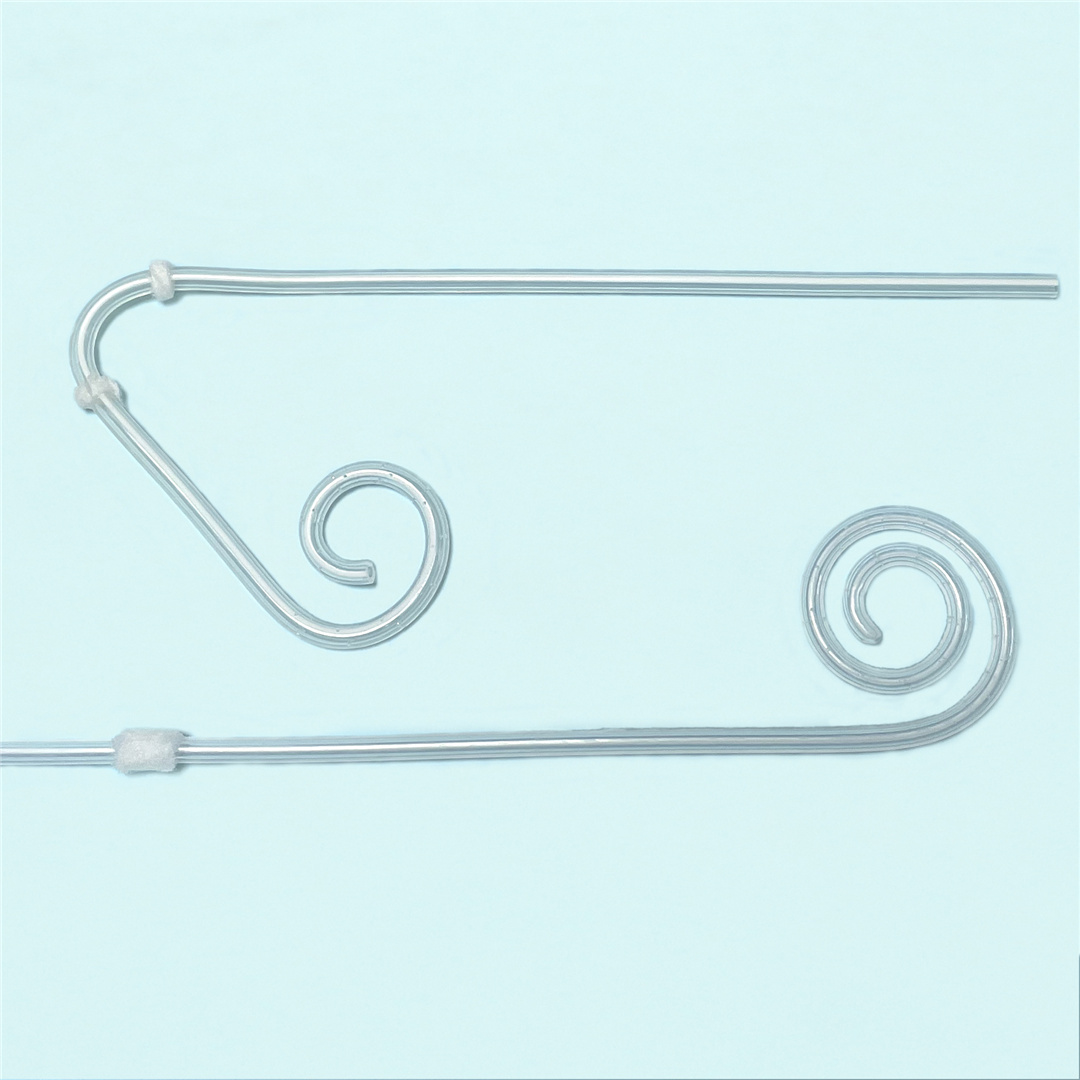
The Double-J stent derives its name from its unique pigtail-shaped coiled structure (resembling the letter "J") at both ends. This design is far from accidental:
● The proximal J-loop anchors in the renal pelvis, preventing upward migration into the kidney
● The distal J-loop sits in the bladder, preventing downward dislodgement
This "dual anchoring" mechanism ensures stable positioning of the stent within the ureter. Even with the patient's daily activities and postural changes, the stent does not easily migrate or dislodge. This is the core meaning of "Double-J Protection" – providing dual fixation security for the drainage pathway.
Why is "Unobstructed Drainage" Necessary?
Once ureteral obstruction occurs, urine cannot flow smoothly from the kidney to the bladder, leading to:
● Increased renal pelvic pressure, causing flank pain
● Progressive renal function impairment
● Secondary infection, even sepsis
● Long-term obstruction can lead to renal failure
The Double-J stent, through its hollow lumen and multiple Side Holes distributed along the tube wall, establishes a bypass pathway around the obstructed segment. Urine flows smoothly into the bladder through the stent lumen and side holes, thereby rapidly reducing renal pelvic pressure, alleviating symptoms, and protecting renal function.
Why is the Double-J Stent "The Reliable Choice"?
● Safe Material, Excellent Biocompatibility
Conventional polymer stents are manufactured from medical-grade polyurethane or silicone, offering good flexibility and biocompatibility. The materials undergo rigorous biocompatibility testing and can be safely indwelled for 1-3 months without causing significant tissue irritation or allergic reactions.
Conventional polymer stents are manufactured from medical-grade polyurethane or silicone, offering good flexibility and biocompatibility. The materials undergo rigorous biocompatibility testing and can be safely indwelled for 1-3 months without causing significant tissue irritation or allergic reactions.
● Surface Functionalization to Reduce Complications
To address the common issues of encrustation and infection, modern Double-J stents incorporate various surface coating technologies:
①Hydrophilic/Lubricious coatings: Reduce friction damage during insertion and removal
②Antibacterial coatings: Inhibit bacterial adhesion and biofilm formation
③Anti-encrustation coatings: Reduce calcium and magnesium salt crystal deposition
These technological innovations significantly reduce the risk of complications associated with prolonged indwelling.
To address the common issues of encrustation and infection, modern Double-J stents incorporate various surface coating technologies:
①Hydrophilic/Lubricious coatings: Reduce friction damage during insertion and removal
②Antibacterial coatings: Inhibit bacterial adhesion and biofilm formation
③Anti-encrustation coatings: Reduce calcium and magnesium salt crystal deposition
These technological innovations significantly reduce the risk of complications associated with prolonged indwelling.
● Easy Handling, Precise Positioning
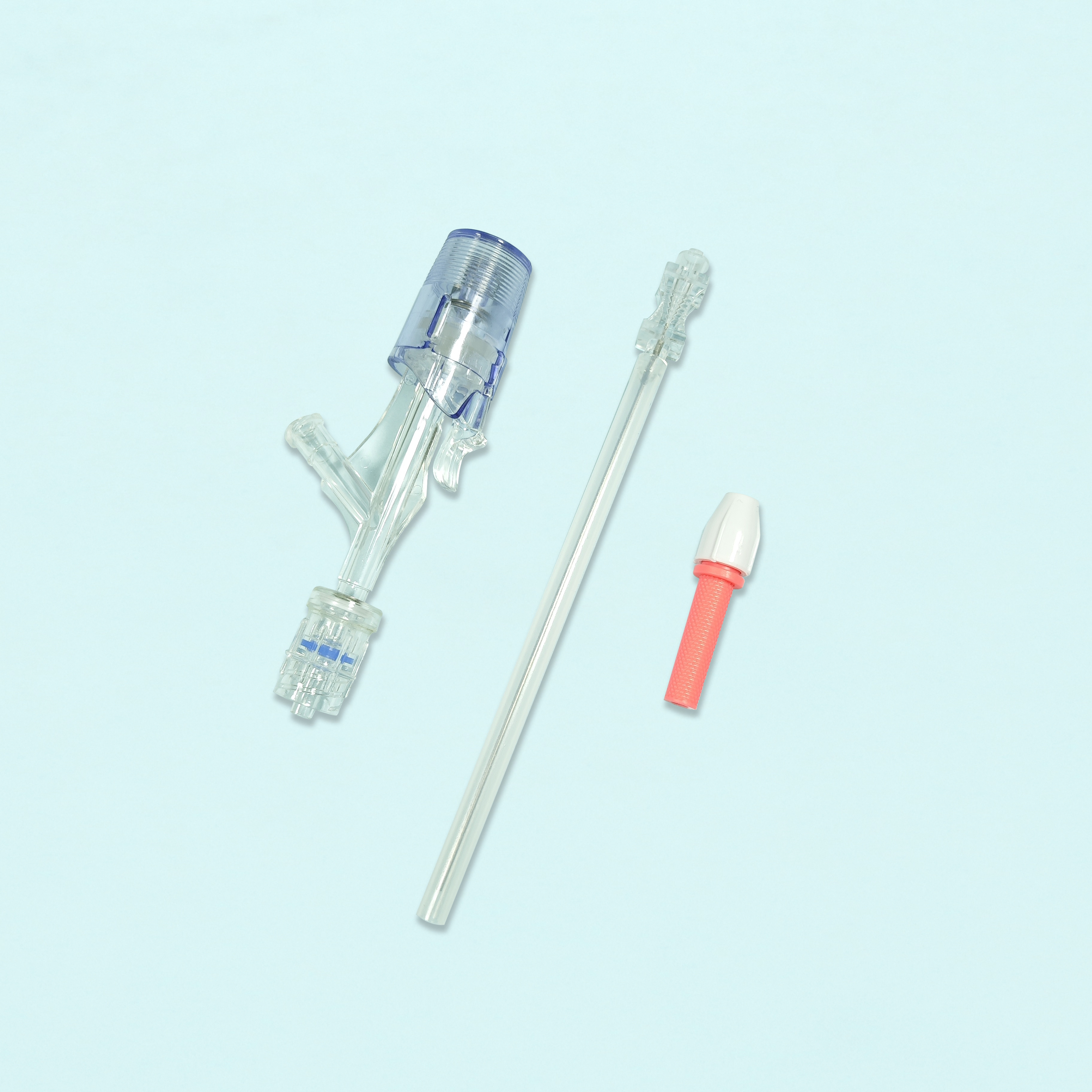
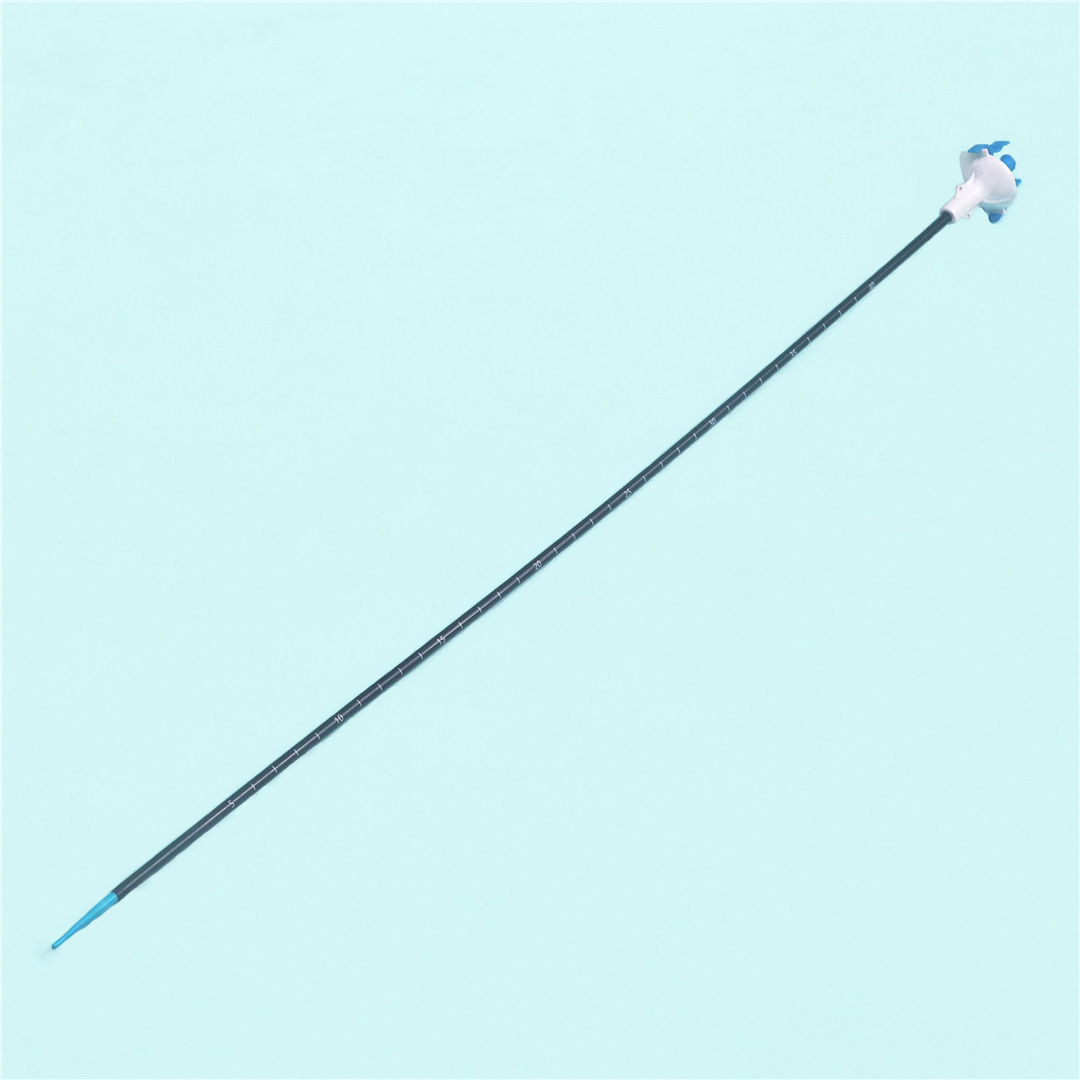
The standard ureteral stent set includes complete insertion instruments:
①The push catheter features a radiopaque marker band at the tip, clearly visible under X-ray
②The guidewire provides a stable insertion pathway
③The suture loop facilitates straightening of the proximal J-loop during insertion, ensuring precise positioning
Clinicians can quickly and accurately complete the insertion procedure under X-ray fluoroscopic guidance.
The standard ureteral stent set includes complete insertion instruments:
①The push catheter features a radiopaque marker band at the tip, clearly visible under X-ray
②The guidewire provides a stable insertion pathway
③The suture loop facilitates straightening of the proximal J-loop during insertion, ensuring precise positioning
Clinicians can quickly and accurately complete the insertion procedure under X-ray fluoroscopic guidance.
● Comprehensive Specifications, Suitable for Various Patients
Stent lengths cover 14-28 cm (commonly 22-26 cm), diameters range from 4.7Fr to 8Fr, and pediatric-specific specifications are available, meeting diverse clinical needs from children to adults, and from short-term to medium-term indwelling.
Stent lengths cover 14-28 cm (commonly 22-26 cm), diameters range from 4.7Fr to 8Fr, and pediatric-specific specifications are available, meeting diverse clinical needs from children to adults, and from short-term to medium-term indwelling.
Broad Indications
The Double-J stent is indicated for the following common clinical scenarios:
● Urinary Stones: Pre-/post-ESWL, post-ureteroscopic lithotripsy
● Benign Ureteral Stricture: UPJO, retroperitoneal fibrosis
● Ureteral Injury/Fistula: Traumatic or iatrogenic injury
● Pediatrics: Congenital hydronephrosis, ureteral obstruction
Clinical Data Support
Clinical research published in 2025 has demonstrated:
● The risk of encrustation is relatively low when the stent is indwelled for <45 days
● Regular follow-up and scheduled replacement significantly reduce the incidence of complications
● Black discoloration of the stent is significantly associated with specific pathogen infections and can serve as a clinical warning indicator
These data suggest that the safety and efficacy of the Double-J stent are well-validated when used within appropriate indwelling timeframes.
Disclaimer: This article is for medical popularization, purposes only and does not constitute professional medical advice. Please always follow the diagnosis and treatment plans provided by your treating physician.
