


News & Trends

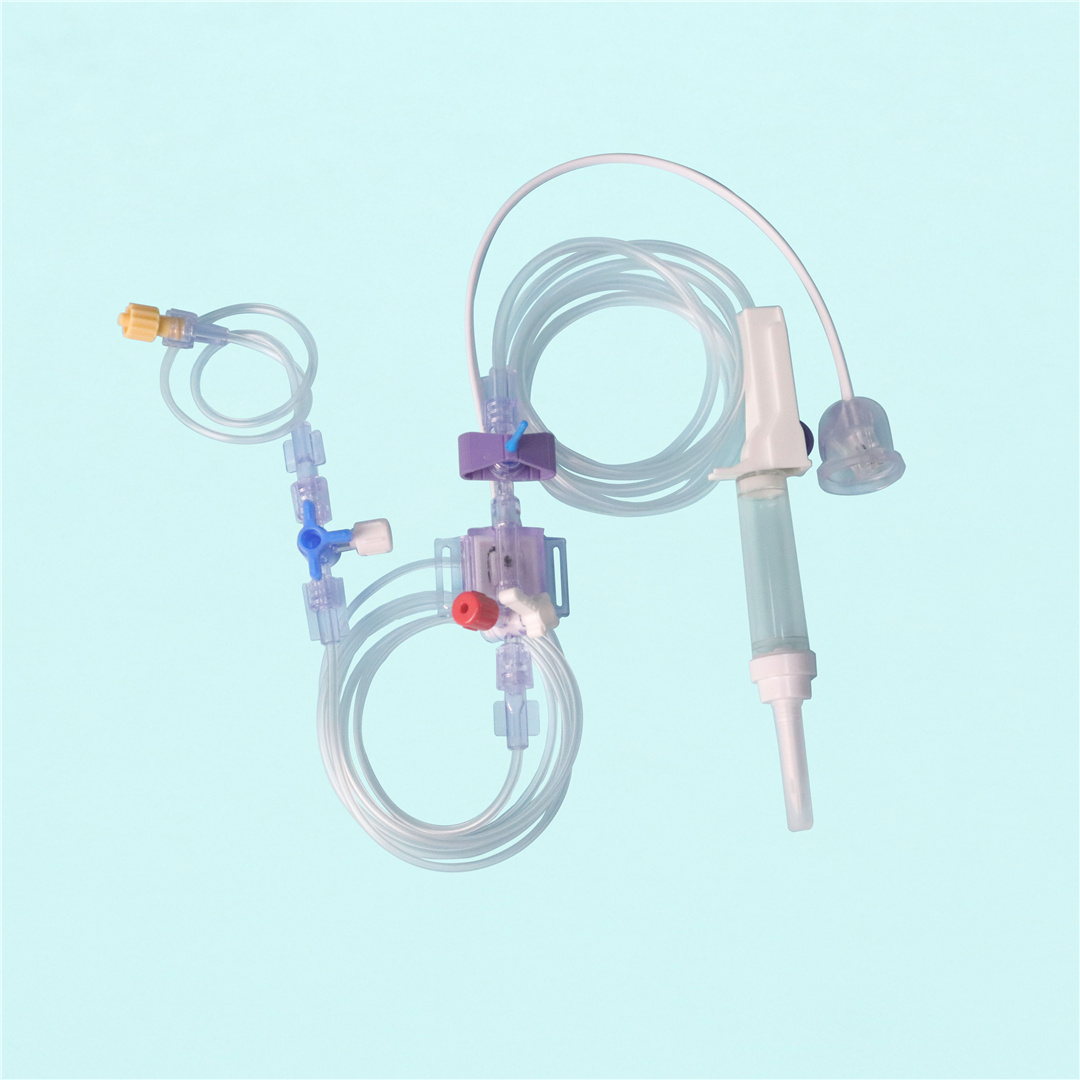

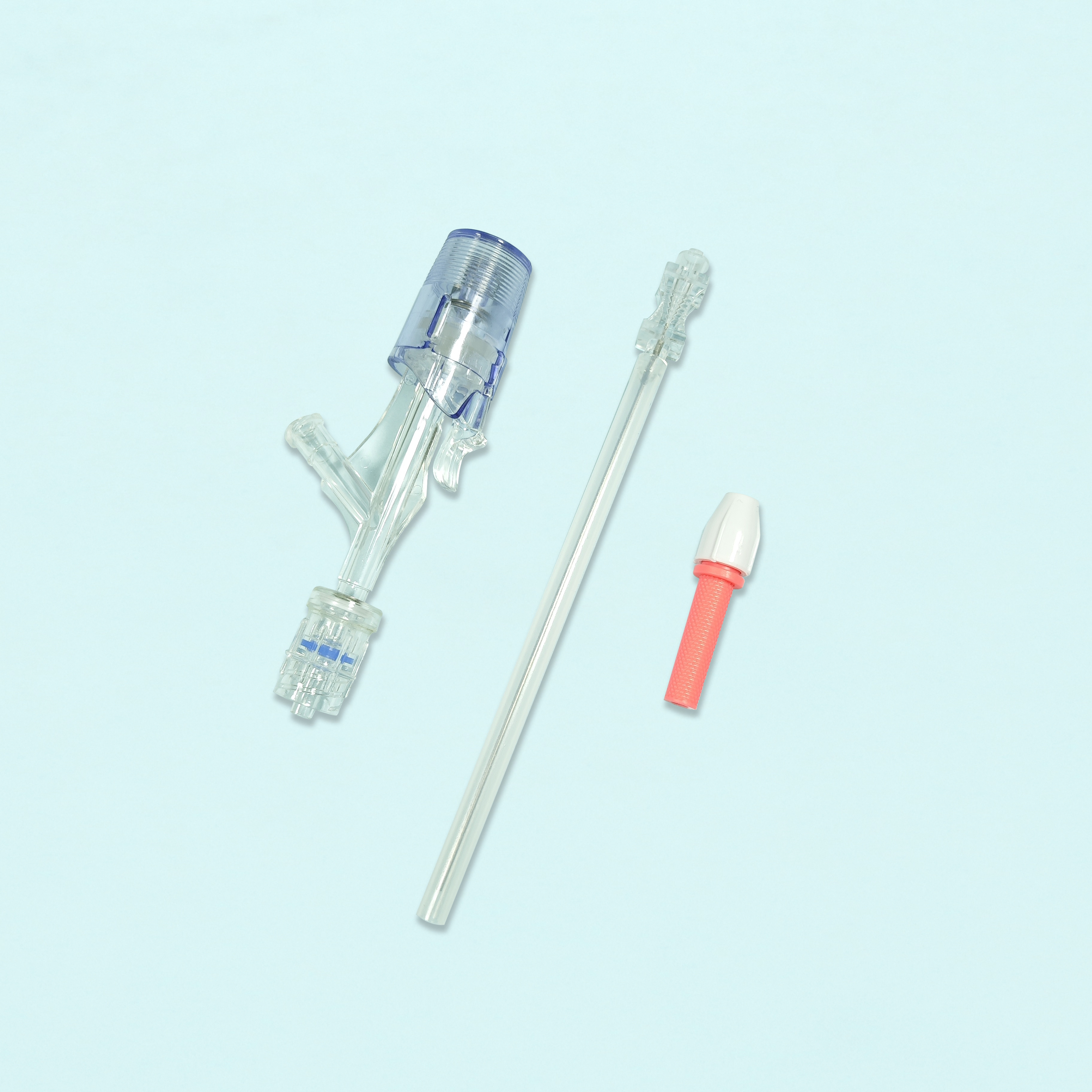


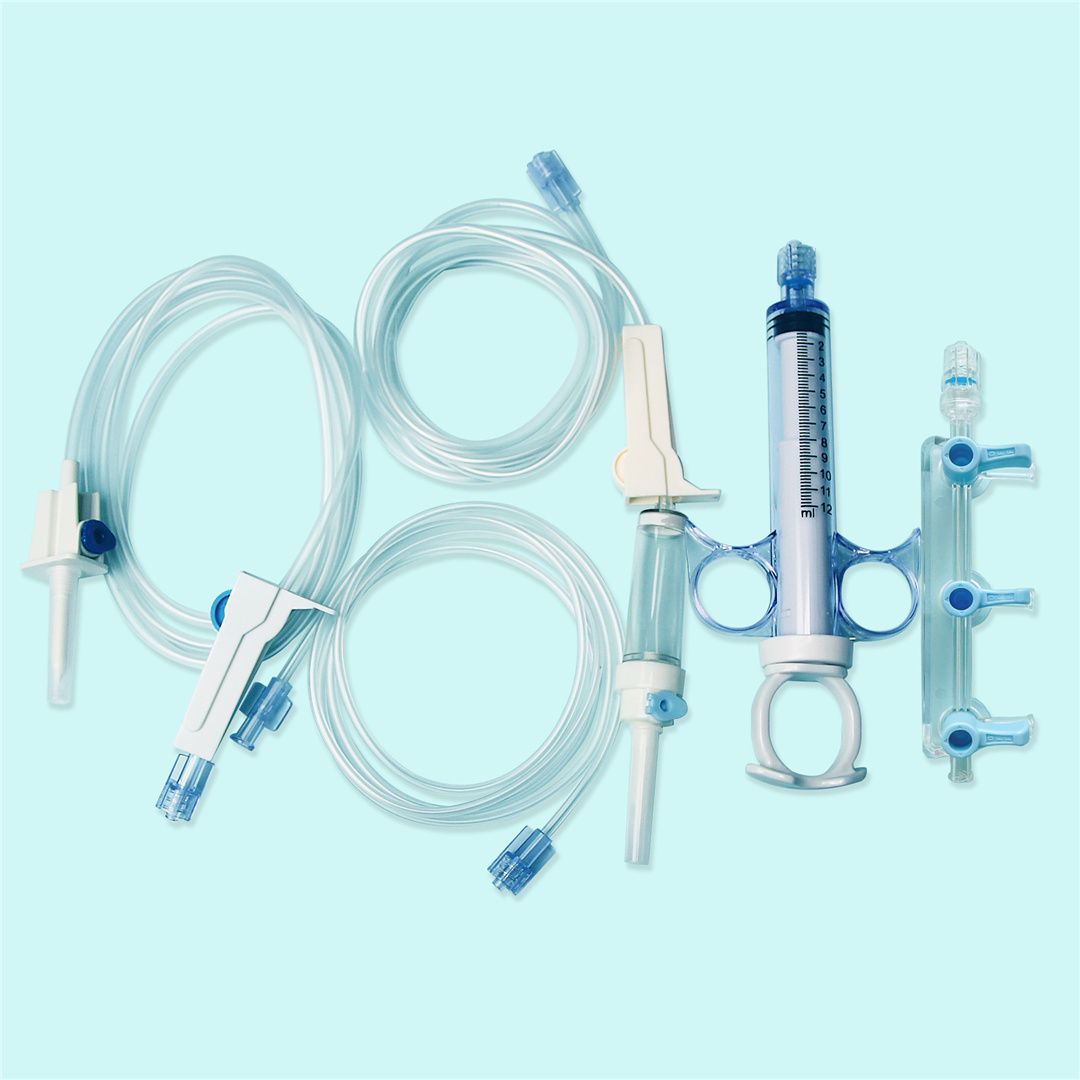

Precise Pressure, Reliable Monitoring – The Trusted Choice for Disposable Pressure Transducers
2026-06-12
In intensive care units, operating rooms, and cardiac catheterization laboratories, invasive blood pressure monitoring is the gold standard for assessing a patient's hemodynamic status. The accuracy of every blood pressure reading can directly influence clinical decisions – from adjusting infusion rates and administering vasoactive medications to determining surgical timing and implementing resuscitation protocols.
The Disposable Pressure Transducer is the core component of this critical monitoring process, providing precise, reliable, and safe pressure monitoring assurance for clinical practice.
What Is "Precise Pressure"?
The essence of invasive blood pressure monitoring lies in the sensor's ability to faithfully and stably convert pressure signals from within the blood vessel into electrical signals. Any minor error can be amplified into an incorrect clinical judgment.
Our pressure transducer utilizes a silicon micromachined piezoresistive sensing chip and achieves the following within the physiological pressure working range (-30~300 mmHg):
● Sensitivity Error: ≤ ±1%
● Linearity: Better than 1%
● Zero Drift: ≤ ±2 mmHg/24h
● Sensitivity Standard: 5 µV/V/mmHg (compliant with AAMI specifications)
Clinical validation: A prospective, bi-center study involving 128 patients undergoing cardiovascular surgery demonstrated that the consistency rate between domestic disposable pressure sensors and imported products in measuring systolic blood pressure, diastolic blood pressure, and central venous pressure reached 100%.
"Precise Pressure" means: Every millimeter of mercury is trustworthy; every reading is reliably accurate.
What Is "Reliable Monitoring"?
The hemodynamic status of critically ill patients can change rapidly. Pressure monitoring must operate continuously, stably, and safely. A reliable monitoring system must simultaneously meet three major requirements:
1. Long-Term Stability, Continuous Protection
The transducer is designed for a continuous usage time of ≥ 168 hours (7 days) , capable of meeting:
● Continuous monitoring after major cardiac surgery
● Long-term hemodynamic monitoring of critically ill ICU patients
● Intraoperative and postoperative monitoring during organ transplantation
Clinical Significance: Eliminates the need for frequent transducer changes, reducing handling interference and infection risk.
2. Biocompatibility and Electrical Safety
● Material Safety: Tubing materials in contact with blood comply with USP Class VI biocompatibility standards
● Electrical Safety: Meets AAMI standards – patient leakage current ≤2 µA, dielectric strength ≥10,000 VDC
● Latex-Free: Reduces the risk of allergic reactions
3. Sterile Packaging, Ready to Use
● Manufactured in a Class 1000 cleanroom
● Sterilized with ETO (ethylene oxide)
● Individually sterile packaged, single-use per patient
"Reliable Monitoring" means: Stable signals, patient safety, and worry-free operation.
Why Is It "The Trusted Choice"?
● High Precision: Silicon micromachined sensing chip, sensitivity error ≤±1%
● Long-Term Stability: Continuous operation ≥168 hours, meeting long-term monitoring needs
● Easy Operation: Integrated blood sampling port, plug-and-play, convenient zeroing
● Safe and Reliable: Compliant with USP Class VI and AAMI standards, ETO sterilized
● Comprehensive Specifications: Single/double/triple lumen, with/without closed blood sampling
Specification Options
● Single-Channel Non-Closed Type: Simple structure, basic pressure measurement
● Single-Channel Closed Blood Sampling Type: Integrated sampling port, simultaneous pressure monitoring and blood sampling
● Dual-Channel Type: Simultaneous monitoring of arterial pressure and CVP
● Triple-Channel Type: Synchronous monitoring of arterial pressure, CVP, and ICP
Compatibility
Compatible connection cables are provided for all major mainstream monitors (Mindray, Philips, GE, Siemens, etc.) – plug-and-play, no additional accessory procurement required by the hospital.
Primary Clinical Applications
● Cardiovascular Interventions: During and after coronary angiography, PCI
● Intensive Care (ICU): Shock, multiple organ failure, postoperative critically ill patients
● Anesthesiology: Major surgery, organ transplantation
● Emergency Department: Trauma, sepsis, and other critically ill patients
● Neurosurgery: After traumatic brain injury, intracerebral hemorrhage
Key Operating Points
● Positioning and Zeroing: Fix the transducer at the patient's heart level (fourth intercostal space at the mid-axillary line) and zero it to atmosphere
● Continuous Flushing: Continuously infuse heparinized saline at a rate of 3-5 mL/h to prevent line clotting
● Position Management: Use a dedicated transducer holder to prevent monitoring errors caused by patient position changes
● Scheduled Replacement: Do not use continuously for more than 7 days; replace promptly if contamination or monitoring abnormalities occur
Conclusion
Choosing our disposable pressure transducer means choosing precise monitoring data, reliable clinical decision-making, and safe patient monitoring.
Taking the pulse of vital signs, guiding clinical decisions – The Disposable Pressure Transducer, your trusted choice.
Disclaimer: This article is for medical popularization, purposes only and does not constitute professional medical advice. Please always follow the diagnosis and treatment plans provided by your treating physician.
