Picking out the right straight cathetercan feel pretty overwhelming. There are so many things to think about! Dr. Sarah Greene, a well-known urologist at MedTech Innovations, points out, "Choosing the right Straight Catheter can really make a big difference when it comes to how comfortable you feel and how smoothly your recovery goes." Honestly, understanding what you personally need is so important in making this decision.
You’ve got your pick of different sizes, materials, and coatings, and not all straight catheters are the same. Some are designed to be super flexible, while others focus on being tough and durable. Every type serves different medical needs, and a wrong choice could cause complications down the line.
Figuring out what’s best for you means doing a bit of soul-searching. Are you more concerned with comfort, or is functionality the priority? Your choice can really influence the outcome. So take your time—this isn’t something to rush through. Remember, choosing the right straight catheter is a key part of your health journey. Don’t hesitate to chat with your healthcare provider—they can help you navigate your options and make an informed choice.

Understanding the Basics of Straight Catheters
Choosing the right straight catheter can be challenging. Understanding the basics of straight catheters is essential. A straight catheter is a flexible tube used to drain urine from the bladder. These catheters come in various sizes and materials.
When selecting a catheter, consider the intended use. A sterile catheter is crucial for medical procedures. Evaluate the length required for your anatomy. A shorter catheter may not reach the bladder comfortably. On the other hand, a longer catheter might pose a risk of injury. Each choice carries benefits and drawbacks, so weigh them carefully.
**Tips:** Always check for latex allergies before use. Many straight catheters are latex-free. This is especially important for sensitive individuals. Keep in mind the discomfort that can accompany catheter insertion. Practice makes perfect, and every experience offers valuable lessons. You may find that a Pd Catheter Straight suits your needs after some trial and error. It's essential to balance comfort and effectiveness to ensure the best outcome.
How to Choose the Right Straight Catheter for Your Needs? - Understanding the Basics of Straight Catheters
| Catheter Size (Fr) | Purpose | Material | Length (cm) | Indications |
| 12 | Intermittent Catheterization | PVC | 40 | Urinary Retention |
| 14 | Post-Surgery Use | Silicone | 45 | Bladder Management |
| 16 | Long-term Catheterization | Latex | 50 | Chronic Urinary Issues |
| 18 | Emergency Use | Polyurethane | 60 | Acute Urinary Problems |
Types of Straight Catheters: A Comprehensive Overview
When it comes to selecting a straight catheter, understanding the types available is crucial. Various straight catheters are designed for specific medical needs. They can vary in length, diameter, and material. Common types include intermittent catheters and Straight Drainage Catheters. Intermittent catheters are primarily used for patients who need to empty their bladder at specific intervals. In contrast, straight Drainage Catheters provide a continuous flow of urine, ideal for patients unable to urinate naturally.
You should consider your medical condition first. Talk to your healthcare provider about which type suits your needs. Comfort is key. Choose a material that feels right for you. Silicone or latex options may influence your experience. Pay attention to catheter size; it should be appropriate for your anatomy.
Tips: Always keep sterilization in mind. Clean your hands properly before handling the catheter. Practice makes perfect; the more you use it, the easier it becomes. Always listen to your body. If something feels wrong, reach out to a medical professional. Understanding the specific features of straight drainage catheters can greatly improve your experience with catheterization.
Evaluating Material Composition: Silicone vs. Latex Catheters
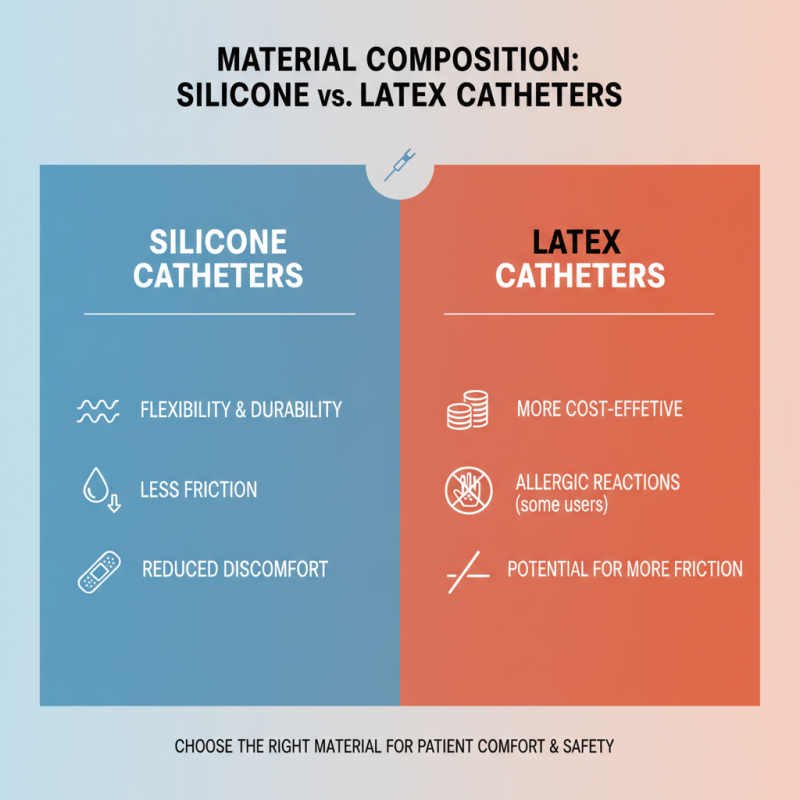
When selecting a straight catheter, the material is a key factor. Silicone and latex catheters differ significantly in composition. Silicone Catheters are known for their flexibility and durability. They offer less friction, which can reduce discomfort during insertion and removal. On the other hand, latex catheters tend to be more cost-effective but may provoke allergic reactions in some users.
Tips: Always consider your medical history. If you have a latex allergy, silicone is a safer option. Testing new materials is wise to ensure compatibility.
In evaluating which catheter suits your needs, consider the environment. Silicone can withstand various sterilization methods, making it suitable for multiple uses. Latex, while offering good elasticity, wears out faster. Users might experience less satisfaction with durability in latex models.
Tips: Talk to a healthcare professional for personalized advice. They can help guide your decision based on health conditions. Maintaining proper hygiene is crucial for both types, regardless of the material.
Sizing Matters: How to Choose the Right Catheter Diameter
Choosing the right catheter diameter is essential for effective drainage. Sizing plays a crucial role in patient comfort and successful outcomes. A catheter that is too narrow may not provide adequate drainage. Conversely, a catheter that is too wide can cause discomfort and increase the risk of complications.
When considering options like the Straight Drainage Catheter 8f, it's vital to assess the individual needs of the patient. Factors such as age, medical condition, and anatomical considerations significantly influence the selection process. Medical professionals often recommend starting with a narrower diameter to evaluate the situation. This approach is not without challenges. Finding the right balance between efficiency and comfort can be tricky.
It’s important to note that not every patient responds the same way to a chosen size. Some may experience irritation or obstruction. Continuous evaluation of the catheter's performance is necessary. This requires open communication between the patient and healthcare provider. Ongoing adjustments might be needed based on the patient's feedback and observable outcomes.
Assessing Length Options: Finding the Perfect Fit for Your Needs
Choosing the right straight catheter necessitates careful consideration of length options. The right length can greatly affect comfort and efficiency. A study published in the Journal of Urology found that patients often experience reduced discomfort with an appropriately sized catheter. For many, the length can mean the difference between a smooth procedure and one filled with complications.
When assessing catheter lengths, it's vital to consider individual anatomy and medical needs. Research indicates that a Straight Drainage Catheter 14f is commonly chosen for its balance of flexibility and stability. Its size offers a practical option for a wide variety of users. However, there is no one-size-fits-all solution; some may require shorter or longer options based on their specific conditions.
It's also crucial to be aware that using a catheter too long can lead to irritation or blockage, impacting overall success rates. Many healthcare professionals recommend a fitting session to help determine the best length for each patient. However, while this approach is helpful, personal feelings and experiences can vary greatly, leading to dissatisfaction if the selected length is not optimal. Understanding these nuances can assist in creating a more tailored and effective catheter experience.
Special Features to Consider: Coatings and Drainage Properties
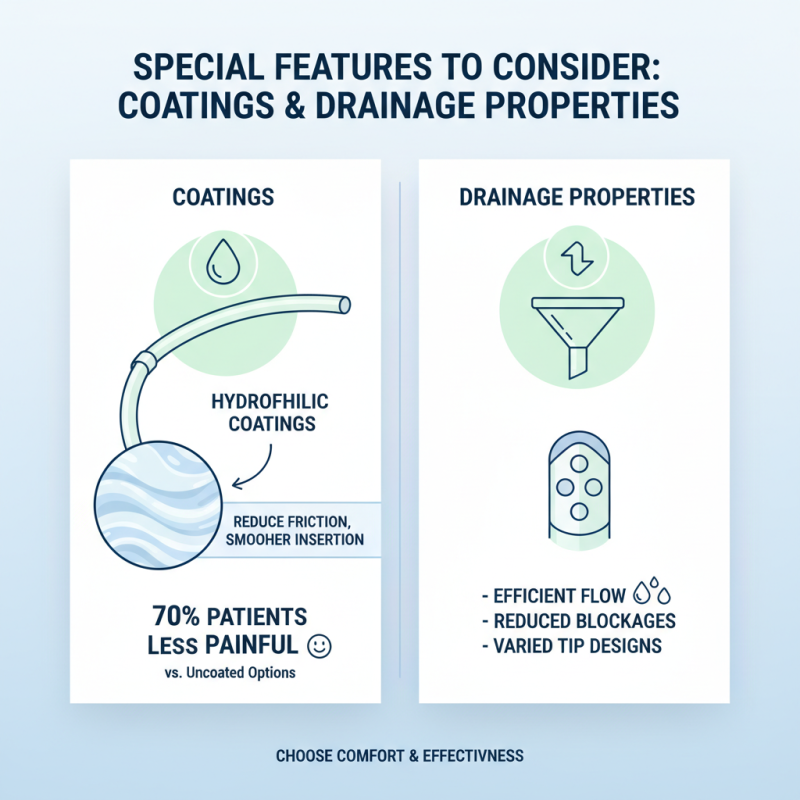
When selecting a straight catheter, focusing on special features like coatings and drainage properties is essential. Coatings can significantly impact patient comfort. For instance, hydrophilic coatings help reduce friction, making insertion smoother. Research indicates that 70% of patients find hydrophilic-coated catheters less painful compared to uncoated options.
Drainage properties are equally crucial. Catheters designed for optimal drainage can minimize the risk of urinary tract infections (UTIs). A study by the Journal of Urology shows that catheters with silicone coatings had a 30% lower infection rate. This is vital since UTIs account for up to 80% of catheter-related complications.
However, not all coatings or drainage techniques yield the same results for every user. Individual anatomy and specific medical needs play pivotal roles. It's essential for healthcare providers to assess these factors carefully. The ideal catheter for one patient may not suit another. Always reflect on the unique requirements of each case.
Consulting with Healthcare Professionals: Why Expert Advice is Crucial
When selecting the right straight catheter for your needs, consulting with healthcare professionals is essential. Expert advice helps ensure that you make informed decisions. Healthcare providers can assess your specific situation and recommend suitable options. Their experience and knowledge are invaluable.
Tips for a Successful Consultation:
- Prepare a list of questions. This helps ensure you cover all your concerns.
- Be honest about your medical history. Transparency fosters effective communication.
- Note any discomfort or previous experiences with catheters. This feedback is crucial for your provider.
Learning about catheter types and their purposes can be overwhelming. While online resources may provide some information, they cannot replace expert insights. Each patient's needs differ, making personalized advice key.
Consider this: Are you choosing a catheter based solely on convenience? A professional's perspective can help identify potential issues. Sometimes, preferences may lead you to overlook important factors, like size and material. Engage in a candid dialogue to enhance your understanding.
Involving healthcare professionals in your decision-making not only enhances your comfort but also ensures safety. Informed choices lead to better outcomes.
Enhancing Patient Outcomes: Insights from Industry Reports on One Step Wise Drainage Catheter Utilization and Efficacy
Recent industry reports underscore the necessity for effective fluid drainage solutions in clinical settings, highlighting advancements in medical devices that aim to enhance patient outcomes. The traditional multi-step drainage methods, while effective, can often lead to delays in treatment and increased risk for patients. In response, one-step drainage catheters have emerged as a viable alternative, providing a faster and simpler approach to fluid evacuation during emergency and image-guided procedures.
Among these innovations is a one-step wise drainage catheter that stands out for its design aimed at minimizing invasiveness. This medical device allows healthcare professionals to quickly respond to urgent needs, thereby reducing both procedure time and the risk of complications associated with prolonged drainage. Industry data reports show that utilizing such devices not only improves response times but also correlates with reduced hospitalization durations and enhanced recovery rates following intervention.
The efficacy of this one-step drainage catheter, available in multiple sizes such as 8F, 10F, 12F, and 14F, further demonstrates its versatility in addressing various clinical scenarios. With the capability to be deployed in bedside and emergency situations, these devices are positioned to significantly impact patient care by facilitating more timely interventions and improving overall clinical outcomes. This shift towards more efficient drainage methods reflects a broader commitment in the medical community to prioritize patient safety and recovery through innovative technology.
FAQS
: Common types include intermittent catheters and straight drainage catheters. They serve different medical needs.
Talk to your healthcare provider about your specific condition. Comfort and size matter.
Materials like silicone and latex can affect comfort. Choose one that feels right for you.
Always clean your hands well before handling the catheter. Sterilization reduces infection risks.
Focus on coatings and drainage properties. Hydrophilic coatings may offer smoother insertion.
Catheters with silicone coatings may lower UTI rates. Individual anatomy affects results too.
Listen to your body. If you experience discomfort, consult a medical professional immediately.
Regular use helps ease the process. It may become more comfortable and manageable over time.
No, individual anatomy affects catheter effectiveness. What works for one may not work for another.
Understand the specific features of your chosen catheter. Reflect on your unique needs for better outcomes.
Conclusion
Choosing the right straight catheter involves understanding its fundamental features and the various types available. The article outlines the importance of material composition, comparing silicone and latex catheters to determine which best suits individual needs. Sizing is another critical factor, as selecting the correct diameter can significantly impact comfort and effectiveness. Additionally, catheter length should be assessed to ensure an optimal fit.
Moreover, special features such as coatings and drainage properties can enhance the performance of straight catheters, making it vital to consider these options. Consulting with healthcare professionals is crucial in this decision-making process, as their expertise can guide patients in selecting the most appropriate catheter for their specific requirements. By taking these guidelines into account, individuals can make informed choices that improve their healthcare experience.