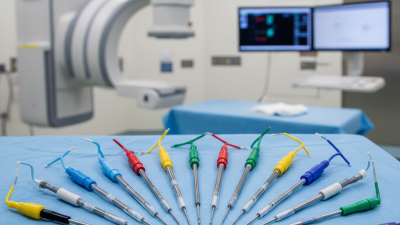
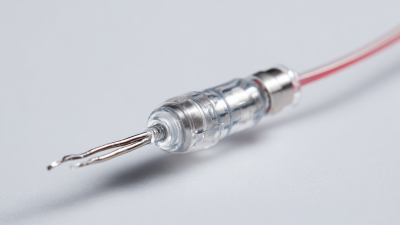
When it comes to urology, picking the right tools really matters. Take the Ureteral Introducer Sheath, for example – it’s a pretty critical component in procedures like ureteroscopy. Dr. John Smith, a well-known expert in minimally invasive urology, often reminds us, “Getting the right sheath can really make or break the whole procedure.” Choosing the best one can actually influence how quickly a patient recovers and how smoothly things go during the operation.
That said, a lot of surgeons don’t always pay enough attention to the finer details of these devices. The quality can vary a lot from one brand to another. Things like the material, size, and flexibility all come into play and can really affect the results. Picking a poor-quality sheath might even lead to complications, which we definitely want to avoid. So, understanding what makes a good Ureteral Introducer Sheath is pretty important — it’s not just about having one, but knowing which one suits each specific case. It takes some experience and a bit of know-how to navigate all the options out there.
Looking back at past cases shows us how much can go wrong if you use inferior equipment. Some surgeons have run into issues because they didn’t choose the right sheath. The truth is, really knowing this device — and making the right choice — ultimately leads to better patient care. So yeah, it’s not just about having a sheath; it’s about having the *right* one. Finding the perfect Ureteral Introducer Sheath for each situation is something that’s worth paying attention to — it’s a continuous learning process that can really improve outcomes.
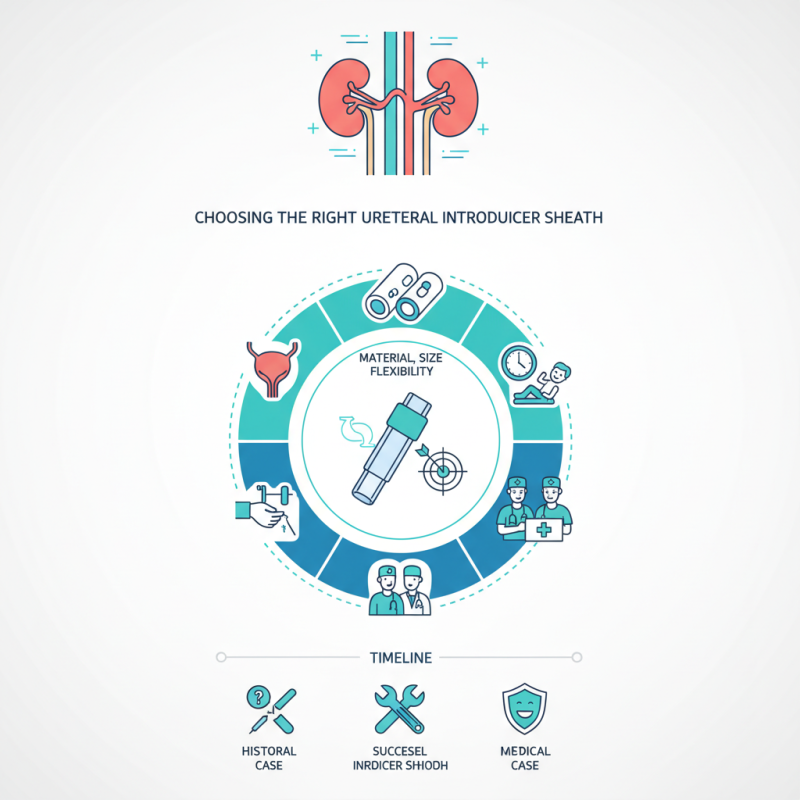
Understanding Ureteral Introducer Sheaths: An Overview
Ureteral introducer sheaths are vital tools in urological procedures. They serve multiple purposes during kidney stone removal and ureteroscopy. Choosing the right sheath enhances procedural success. They provide a protective barrier for the ureter, minimizing trauma during instrument placement.
The design and size of the introducer sheath are crucial. Some sheaths have a hydrophilic coating, improving ease of insertion. Practitioners often face challenges when selecting the appropriate size. A sheath too large might cause discomfort, while a smaller sheath could limit access. Each situation may call for unique considerations.
Experience plays a significant role in evaluating options. Knowledge of different types can help in making informed choices. Ureteral Introducer System configurations may vary among patients. Consider the specific anatomy and pathology. It's essential to reflect on past experiences. Continuous improvement in technique often leads to better outcomes.
Key Features to Look for in Ureteral Introducer Sheaths
When selecting a ureteral introducer sheath, it is critical to understand its key features. The sheath's material directly impacts its performance. High-quality materials ensure durability and flexibility. These aspects promote ease of use during procedures. The right balance between rigidity and softness can enhance catheter navigation. An effective sheath should minimize patient discomfort while optimizing clinical outcomes.
Sizing is another vital consideration. An appropriate diameter prevents complications. It should accommodate various tools without excessive force. A wrongly sized sheath can complicate procedures. Therefore, detailed measurement is necessary before selecting one. Consider whether a hydrophilic coating is beneficial. This feature can aid in smoother passage and reduce friction. It often contributes to better performance in critical scenarios.
Lastly, do not overlook manufacturer specifications. They often provide insights into safety and effectiveness. Look for comprehensive guidelines regarding insertion techniques. Reading reviews and seeking expert opinions can help. Gather information from credible sources to make informed decisions. Reflect on what worked and what didn’t in past experiences. Your choices may evolve, requiring continuous learning and adjustment in practice.
Different Types of Ureteral Introducer Sheaths Explained
Ureteral introducer sheaths are crucial in urinary tract procedures. Understanding their types can significantly impact clinical outcomes. The two main types are hydrophilic and non-hydrophilic sheaths. Hydrophilic sheaths offer a smooth and slippery surface, facilitating easier catheter placement. According to a recent study, these facilitate quicker insertion by up to 30%. Non-hydrophilic sheaths, on the other hand, may provide better tactile feedback during procedures.
Material composition also varies among introducer sheaths. Silicone sheaths are soft and flexible, enhancing patient comfort. In contrast, polyvinyl chloride (PVC) sheaths are less pliable but can be more durable. Research shows that the choice of material can influence complication rates. For example, PVC might lead to higher levels of discomfort post-procedure.
Healthcare professionals must weigh the pros and cons of each type. Not every option fits every patient's needs. The complexity of cases can make selection challenging. Research indicates that improper selection can lead to complications in over 15% of instances. Assessing the specific needs of each patient is essential for improving procedural success and patient satisfaction.
Assessing Compatibility with Medical Instruments and Procedures
Choosing the right ureteral Introducer Sheath is crucial for successful medical procedures. Compatibility with various instruments is often overlooked. Each medical situation demands specific features in an introducer sheath. For instance, a tighter fit might be necessary during certain endoscopic procedures, while others may require a more flexible design.
Issues can arise if a sheath doesn’t align with standard equipment. Mishaps can lead to complications, prolonging patient recovery. The inner diameter needs to match the instruments used, ensuring smooth navigation. Additionally, the material should suit the intended procedure to prevent friction.
Some professionals have reported complications due to improper selection of introducer sheaths. It raises questions about prior assessments. Relying solely on experience may not be enough without thorough compatibility checks. Therefore, staying informed and continuously evaluating options is essential for enhancing patient safety.
Evaluating Material Quality and Patient Comfort
When selecting a ureteral introducer sheath, material quality is critical. High-quality materials enhance durability and flexibility. Patients benefit more from sheaths made with biocompatible materials. These options reduce the risk of irritation during use. Comfort is crucial during medical procedures. Sheaths that provide a smooth insertion experience can ease patient anxiety.
Another factor to consider is the design of the sheath. Ergonomically designed introducers can make a significant difference. They allow for easier manipulation during procedures. This can lead to improved outcomes for patients. While many sheaths focus on functionality, patient comfort should remain a top priority. If a sheath causes discomfort, it can affect the entire experience.
Some practitioners may overlook these details. They might prioritize functionality over comfort. This approach can lead to unsatisfactory results. Reflection on the materials and design can enhance the overall experience. Given the sensitive nature of procedures involving the ureter, attention to detail is paramount. Ultimately, choosing the right introducer sheath should balance quality and comfort to achieve the best patient care.
Tips for Selecting the Right Sheath for Specific Needs
Choosing the right ureteral introducer sheath can make a significant difference in procedures. Each situation requires a tailored approach. Consider the patient's anatomy and specific medical needs. For example, cases involving strictures may need a more flexible sheath. Knowing the diameter and length is essential. It affects the ease of placement and the overall success of the procedure.
Material and design matter too. Some sheaths provide better maneuverability. Look for options that reduce friction. This can enhance performance during challenging cases. It’s important to assess the ease of insertion against the risk of complications. Not all sheaths are equal in durability or reliability. Researching different types can save time and improve outcomes.
Don’t overlook the importance of clinical experience. Engaging with peers can provide insights into the effectiveness of various sheaths. Reflecting on past procedures can help improve future choices. Mistakes happen, even in routine cases. Learning from them ensures better decision-making down the line. Understanding what works best for various anatomical needs is crucial for selecting the optimal Sheath Introducer.
Common Mistakes to Avoid When Choosing Ureteral Introducer Sheaths
When selecting an ureteral introducer sheath, it's easy to make mistakes. One common oversight is underestimating the importance of size. Choosing an Introducer Sheath 6f might seem like the perfect fit initially. However, it may not accommodate the specific needs of certain patients. Each case is unique, and understanding the anatomical variations is crucial.
Another mistake is focusing solely on price. The cheapest option may not meet quality standards, leading to complications during procedures. It's vital to assess product reliability instead of just costs. Furthermore, overlooking manufacturer recommendations can result in using a sheath incompatible with your tools. Always check specifications carefully before making a decision.
Additionally, many professionals fail to consider the materials used in the introducer sheath. The right materials can reduce complications like tissue trauma and infections. Ignoring these factors could impact patient outcomes significantly. Engaging with peers and learning from their experiences can provide valuable insights.
FAQS
: The two main types are hydrophilic and non-hydrophilic sheaths. Each type has specific advantages.
They provide a smooth surface, facilitating easier catheter placement. This can speed up insertion significantly.
Common materials include silicone and polyvinyl chloride (PVC). Each has different properties affecting comfort and durability.
Silicone sheaths are soft and flexible, enhancing overall patient comfort during the procedure.
PVC sheaths can lead to higher discomfort post-procedure. Comfort levels vary based on material choice.
The right sheath ensures compatibility with medical instruments. Misalignment can cause complications during the procedure.
Wrong selections can lead to complications in over 15% of procedures. Patient assessment is vital for success.
They must evaluate individual patient needs and the specific procedure requirements for optimal results.
No, thorough compatibility checks are essential. Experience may not cover all potential issues.
Continuous evaluation of sheath options is crucial for improving procedural success and patient recovery.
Conclusion
Choosing the right Ureteral Introducer Sheath is crucial for successful medical procedures involving the urinary tract. This article provides a comprehensive overview of ureteral introducer sheaths, emphasizing essential features such as flexibility, size, and compatibility with various medical instruments. Understanding the different types available can help healthcare professionals select the most appropriate sheath tailored to specific procedural needs.
Additionally, the article highlights the importance of evaluating material quality for patient comfort and minimizing complications. It also outlines common mistakes to avoid during the selection process, ensuring that medical practitioners make informed decisions. By considering these factors, healthcare providers can enhance patient outcomes and improve procedural efficiency with the right Ureteral Introducer Sheath.