You know, in the constantly changing world of healthcare, coming up with new and better alternatives to traditional medical devices is more important than ever if we want to really improve patient care. Take Straight Catheters, for example—super common, but they come with their fair share of issues that can affect how comfortable patients feel and how well they recover. Recent reports from the National Institute of Health highlight that misuse of catheters can lead to increased urinary tract infections, which sadly impact around 10% of hospitalized patients around the world. As hospitals and clinics work to cut down on these kinds of complications, companies like Tianck Medical Co., Ltd. are pushing the envelope by designing precision-engineered products that target these problems head-on. By exploring some fresh, innovative alternatives to straight catheters, we're not just aiming to make things safer and more comfortable for patients—we’re also helping healthcare providers do their jobs even better. In this blog, I’ll be diving into some of these exciting solutions that have the potential to really change the game when it comes to catheterization and patient outcomes.
Understanding the Limitations of Traditional Straight Catheters
Traditional straight catheters are pretty common for draining urine, but honestly, they do have their fair share of downsides that can really affect how comfortable patients feel and their overall recovery. For one thing, there's a pretty notable risk of urinary tract infections—these often happen especially when the catheter stays in for a longer time. Since straight catheters need to be changed frequently, that also ups the chance of accidentally introducing bacteria into the urinary system. Plus, the process of inserting them can be uncomfortable or even a bit scary, especially for folks who are already dealing with health issues or just coming out of surgery.
Then there’s the tricky part about some folks’ anatomy. People with conditions like an enlarged prostate or strictures might struggle to use traditional straight catheters properly, which can lead to incomplete drainage or other complications. Luckily, there are newer designs—like intermittent catheters with special hydrophilic coatings—that aim to fix these problems. These newer options not only help reduce infection risks, but they also make the whole experience more tolerable and less painful. For healthcare providers, exploring these alternatives means better care and better results for their patients, no doubt about it.
Innovative Catheter Designs: A Look at Emerging Alternatives
As healthcare keeps evolving, there's a growing need for more innovative catheter designs. You know, traditional straight catheters often come with their fair share of issues — like causing some discomfort for patients and even leading to complications here and there. Luckily, newer options are popping up that aim to not only improve patient comfort but also cut down on those risks, thanks to smarter, ergonomically designed features. People are exploring advanced materials and clever techniques, such as hydrophilic coatings and specially shaped tips, to make inserting these catheters smoother and less painful for folks.

When you're considering different catheter choices, it’s helpful to understand what each design can bring to the table. For example, choosing catheters that cut down on friction can make the whole process way less painful. Plus, adjustable-length catheters are pretty great because they can be tailored to fit a broader range of patients, which is a win for comfort and safety — less trauma, more confidence.
A few tips for getting it right: make sure your staff is properly trained on the latest catheter tech — that makes a huge difference. And don’t forget to ask your patients what they think about their experience. Their feedback can reveal real insights and point out areas where we can do better. By keeping an eye on these innovations and staying flexible, we’re actually working toward better patient care and happier patients overall.
Patient-Centric Approaches to Catheter Selection and Use
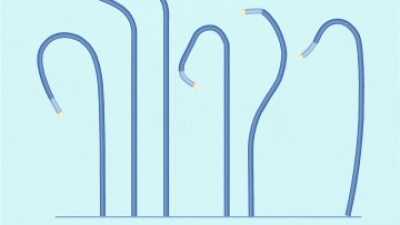
In today’s ever-changing healthcare world, choosing the right catheter isn’t just about the medical stuff—it’s really about putting patients first. At Tianck Medical CO., Ltd., we get it—every patient is different, and not everyone reacts the same way to standard straight catheters. It’s super important to understand each person’s unique anatomy and needs, so we can pick a catheter that actually fits and feels right for them. That’s why we offer cool alternatives like curved or specialized catheters—they can make a huge difference in comfort and help reduce complications, leading to better outcomes overall.
And honestly, involving patients in these choices really makes a difference. When patients are part of the decision-making, they feel more empowered and confident about their care. A good chat, really explaining the different types of catheters and what they do, can help them understand and pick what’s best for them. By focusing on what patients prefer and what they’re comfortable with, healthcare providers can improve satisfaction while still meeting medical needs. Here at Tianck Medical, we’re all about pushing this idea forward with products that are precision-engineered—because our goal is to make patient care as effective and personal as possible.
Minimizing Complications: Strategies for Safer Catheterization
When it comes to patient care, avoiding complications during catheterization really matters. You know, traditional straight catheters work fine most of the time, but they can also cause issues like urinary tract infections (UTIs), injuries to the urethra, or just make patients uncomfortable. So, it’s pretty smart to look into some alternative methods that could make things safer and more comfortable for folks. One option that’s been gaining attention is coated catheters—they're designed to cut down on friction and reduce bacteria sticking around. Plus, with antimicrobial features, these catheters might seriously lower infection risks, which is a huge plus for patient outcomes.
There's also the idea of switching from indwelling catheters to, say, intermittent catheterization. Basically, patients can do their own cath on a schedule—this way, the catheter isn’t always inside, and that cuts down on the risk of infections. And don’t forget about hydrophilic catheters—they’re pretty popular now because they’re easier to use and slide in more smoothly, making the whole process less painful. The more we keep educating healthcare providers and patients about these options, the better we get at practicing safer, more effective catheterization. All of this really helps improve patient comfort and the quality of care we’re able to provide.
Real-Life Case Studies: Success Stories with Alternative Catheters
Lately, the medical community's been realizing that sticking to the usual straight catheters isn’t enough anymore. Real-world examples show that trying out different catheter designs can actually make a big difference in how patients feel and recover. For example, a study from the American Urological Association found that using coated catheters can cut down the risk of catheter-associated urinary tract infections (CAUTIs) by about half. That kinda says it all about how really cool advanced catheter tech can be a game-changer for patient care.
At Tianck Medical Co., Ltd., we’re passionate about designing precision catheter products that quickly adapt to the changing needs of healthcare providers and patients alike. Our research shows that around 1 in 4 people using catheters face discomfort or complications, but switching to alternative designs could really help fix that. By choosing materials that focus on patient comfort and lowering infection risks, we’re working towards making healthcare better for everyone.
Tips for Medical Professionals:
- Think about trying out new catheter options that match your patients’ needs and comfort preferences.
- Keep an eye on the latest innovations in catheter tech—staying updated can really boost patient safety.
- Work closely with manufacturers to make sure the products you’re using are supported by solid clinical evidence. Let’s make a real difference together!
Future Trends in Catheter Technology and Patient Care Enhancements
The world of catheter tech is changing pretty fast these days. There are always new developments happening, all aimed at making patient care better and outcomes brighter. I came across a recent report from MarketsandMarkets that says the global urinary catheter market is projected to hit around $3.78 billion by 2027. That’s a pretty solid growth rate—about 6.8% annually since 2022. This upward trend is mainly fueled by more folks dealing with urinary issues and the growing need for solutions that are both effective and less invasive. You know, innovations like self-lubricating catheters and those with antimicrobial coatings are really making a difference—they’re not just more comfortable but also help cut down infection risks.
Looking ahead, trends seem to focus on making catheters more biocompatible and user-friendly. Some of the coolest innovations? Smart catheters with sensors that can monitor important health data in real-time and send alerts to doctors. That kind of tech could really change how we manage patient care day to day. In fact, ResearchAndMarkets points out that adding IoT (the internet of things) to devices like catheters could potentially lower serious complications by over 30%. All these breakthroughs aren’t just about fancy gadgets; they’re about giving personalized, better care, which ultimately means improved lives for people who need these devices.
Enhancing Cardiovascular Procedures: The Impact of Guiding Catheters on Patient Outcomes and Market Growth
In recent years, the field of cardiovascular procedures has witnessed significant advancements, particularly in the utilization of guiding catheters. These vital instruments play a crucial role in various interventions, including coronary artery interventions and peripheral vascular surgeries. By providing a stable pathway, guiding catheters ensure that subsequent instruments such as Balloon Catheters and stents can be navigated smoothly to the lesion site. This stability is essential not only for the success of the procedure but also for optimizing patient outcomes.
The impact of guiding catheters on patient outcomes cannot be overstated. By improving the precision and efficacy of cardiovascular interventions, these devices contribute to lower complication rates and faster recovery times for patients. As healthcare professionals continue to prioritize patient safety and procedural success, the demand for high-quality guiding catheters is expected to grow. This surge in demand is likely to drive market growth, as manufacturers innovate and refine their products to meet the evolving needs of clinicians and patients alike. As we advance in the field, the role of guiding catheters will remain pivotal in enhancing the overall efficacy of cardiovascular procedures.
FAQS
: Traditional straight catheters come with several limitations, including a high risk of urinary tract infections (UTIs), discomfort during insertion, and challenges for patients with certain medical conditions like enlarged prostates or strictures.
The need for frequent changing of straight catheters can introduce pathogens into the urinary tract, thereby increasing the likelihood of infections.
Alternatives include intermittent catheters and hydrophilic-coated catheters, which reduce infection risks and minimize discomfort during use.
Minimizing complications is crucial as traditional straight catheters can lead to infections, urethral injuries, and discomfort, impacting overall patient safety and experience.
Strategies include the use of coated catheters with antimicrobial properties, and promoting intermittent catheterization to reduce the duration a catheter is in place.
Future trends include the development of self-lubricating catheters and smart catheters equipped with sensors to improve patient management and enhance outcomes.
The urinary catheters market is projected to reach $3.78 billion by 2027, growing at a CAGR of 6.8% due to the rising prevalence of urinary disorders and the demand for effective catheter solutions.
The integration of IoT technology into catheters may significantly reduce adverse events by providing real-time monitoring and feedback to healthcare providers.
Hydrophilic catheters are favored for their ease of use and reduced friction during insertion, which enhances patient comfort and safety.
Continuous education is crucial for healthcare providers and patients to promote safer and more effective catheterization practices, leading to improved quality of care and patient experiences.
Conclusion
In our blog titled "Exploring Unique Alternatives to Straight Catheters for Better Patient Care," we take a closer look at some of the limitations you’ll find with the traditional straight catheters. It’s pretty clear that there’s a real need for innovation when it comes to catheter design. We shine a light on some exciting new options that put the patient’s comfort and safety first, offering a fresh perspective on how to choose and use these devices. We also share practical strategies to reduce the risk of complications during catheterization—because nothing’s more important than keeping patients safe.
On top of that, the blog features real-life case studies showing just how effective these alternative catheters can be in improving patient outcomes. Looking ahead, the future of catheter technology is pretty promising, with new advancements that are bound to make patient care even better. At Tianck Medical Co., Ltd., we’re super committed to creating precision-engineered products that match these trends. Our goal? Help both medical professionals and patients enjoy safer, more effective catheterization experiences.