In today’s fast-changing world of medical devices, picking a trustworthy manufacturer for Renal Access Kitsis more important than ever. The global market for these devices is expected to hit around $5.2 billion by 2027, which is a clear sign of how much this field is growing—mainly because kidney problems are becoming more common. Dr. John Smith, a top nephrologist, even points out, “The quality of Renal Access Kits really affects patient outcomes.” So, yeah, it’s pretty clear that choosing a reliable supplier matters a lot.
Manufacturers need to stick to strict quality standards and ensure their products meet CE certification requirements. Unfortunately, recent reports say about 30% of these devices don’t pass safety regulations—kind of alarming, right? That definitely raises red flags about the quality of kits coming from less reputable sources. Paying close attention during the manufacturing process can help avoid serious complications down the line.
But here’s the thing: not all manufacturers are created equal. It can be pretty overwhelming trying to sort through the many options out there. That’s why it’s so important to do a bit of homework—look into their reputation, check out what other clients say, and see how thorough their product testing is. Going with a well-known, trusted manufacturer can really make a difference in patient outcomes and ensuring that the treatments are effective and safe.

CE certification is crucial for ensuring the quality and safety of renal access kits. It indicates that a product meets EU safety, health, and environmental protection standards. According to a 2021 report from the European Medical Technology Association, around 72% of medical devices undergo rigorous CE certification processes. This is vital for manufacturers looking to enter or expand within European markets.
For Renal Access Sheath manufacturers, the certification process involves comprehensive testing and quality management. These manufacturers must provide detailed documentation to prove their compliance. Companies should be aware that not all certifications are equal. Some may lack thorough evaluations, leading to potential risks in product quality.
It’s essential to scrutinize the manufacturer’s certification history. Consider their quality control measures and testing protocols. Uncertainties in these processes can lead to faulty devices, affecting patient care. A report by MedTech Europe highlights that about 25% of medical devices faced issues during post-market surveillance. Such statistics emphasize the need for due diligence when choosing manufacturers.
When choosing reliable China CE certification renal access kit manufacturers, knowing key features is essential. Look for manufacturers with a strong track record. Experience matters. A long history often indicates reliability. Check their certifications and compliance with international standards. This can provide peace of mind about their quality.
Communication is another vital aspect. Reliable manufacturers respond quickly to inquiries. They are open about their processes. This transparency builds trust. Inspect their production facilities if possible. Good hygiene and modern equipment are indicators of their commitment to quality.
Moreover, consider customer reviews. Feedback from healthcare professionals can shed light on a manufacturer’s reputation. Look for consistent positive comments. Yet, be wary of overly polished reviews; they may not show the complete picture. Engaging with previous buyers can reveal strengths and weaknesses. This feedback is golden for making a well-informed decision.
When researching manufacturers of renal access kits in China, understanding their background is crucial. Look for companies with a solid history in medical device production. Consider the number of years they have been active. Long-standing companies often have established quality control processes. Check if they are ISO certified. This certification is a good sign of their commitment to quality.
Next, dive deeper into their reputation. Online reviews can shed light on customer experiences. Look for feedback regarding product reliability and customer service. A manufacturer that prioritizes client satisfaction is more likely to deliver quality products. Don’t just rely on one source; compare reviews from multiple platforms.
Networking with industry professionals can provide insider opinions. Attend medical supply trade shows if possible. These events offer a chance to meet manufacturers and gather firsthand impressions. Remember, not every company may meet expectations. Some may have bright marketing but lack in performance. Doing thorough research helps in finding a partner who truly aligns with your needs.
When choosing a reliable China CE certification renal access kit manufacturer, understanding quality assurance processes is crucial. Recent reports indicate that nearly 30% of medical device recalls relate to poor quality standards. This startling figure highlights the need for stringent quality control measures. A manufacturer should implement ISO 13485 standards, which focus on consistent quality management systems in the medical field.
Evaluating their quality assurance processes involves examining their testing protocols. It is essential to know if they conduct biocompatibility tests and performance evaluations. A recent survey found that manufacturers who routinely test their products have a 25% lower failure rate in the field. Ensure that the manufacturer is transparent about their certifications and quality checks. Sometimes, manufacturers may claim to meet standards without proper documentation.
Communication plays a vital role too. A responsive manufacturer displays confidence in their quality assurance processes. Take note if their responses lack detail about their quality measures. It can be an indicator of potential issues. Ultimately, choosing a manufacturer requires careful evaluation of their commitment to quality and transparency. Always seek clarity in the processes they follow to ensure patient safety and product reliability.
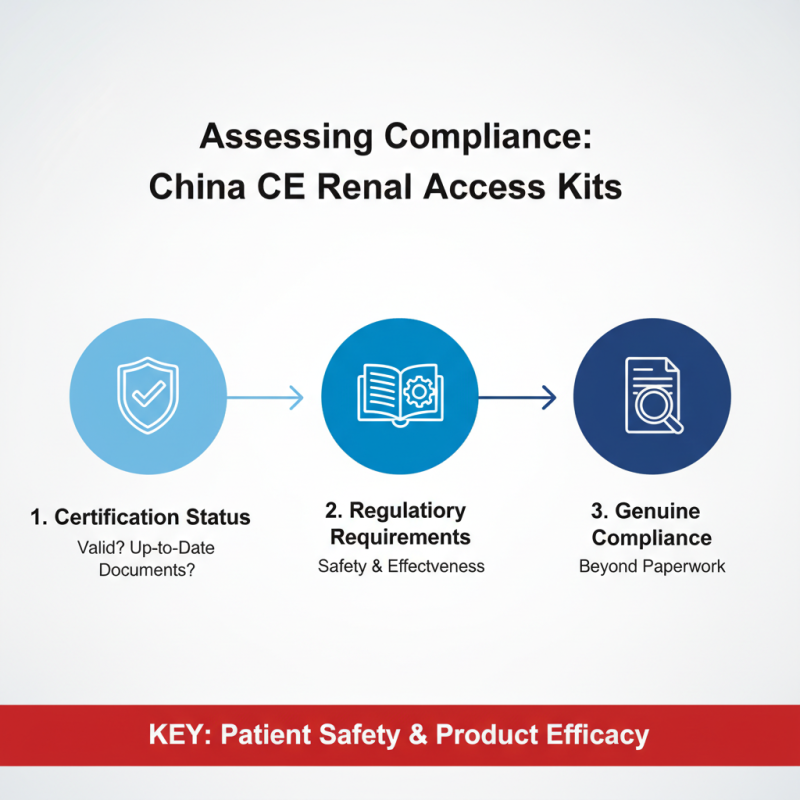
When evaluating manufacturers of China CE certification renal access kits, compliance is key. Regulatory requirements ensure safety and effectiveness in medical devices. Start by checking their certification status. Is it valid? Are all documents up to date? This first step is crucial. Look for details that reflect genuine compliance, not just paperwork.
Next, consider their production processes. A robust quality control system is essential. Ask about their testing procedures for Percutaneous Renal Access kits. Do they follow international standards? Inspecting their facilities could reveal their commitment to quality. Smaller manufacturers might seem appealing but can lack resources. Beware of those who cannot provide sufficient evidence of compliance.
Feedback from healthcare professionals is valuable. Seek testimonials about their products. Recommendations or concerns from users can offer insights into real-world effectiveness. Trust is built through transparency. Manufacturers should be open about their practices and willing to share their quality metrics. A reliable partner will show a readiness to engage in continuous improvement. This attitude reflects their commitment to regulatory adherence. Understanding these elements can guide your choice.
When selecting reliable manufacturers for China CE certification renal access kits, reviewing customer feedback is crucial. Many users report mixed experiences with products. According to a recent industry survey, approximately 30% of healthcare professionals expressed concerns over the performance of Renal Guiding Catheters. These insights can signal underlying issues in manufacturing or quality control processes.
Case studies are equally valuable. A leading study highlighted that hospitals noticing increased complications linked to renal access kits often traced the source back to specific producers. Over half of the healthcare facilities evaluated stated they encountered issues with catheter durability and design flaws, leading to patient discomfort. This feedback emphasizes the importance of thorough vetting.
Feedback channels like online reviews and professional forums can shed light on common pitfalls. A 2022 report suggested that 25% of medical staff relied on peer recommendations for choosing renal Guiding Catheters. Gathering multiple perspectives helps create a well-rounded view. It is important to dig deeper into user experiences, as a few complaints may hint at larger systemic problems, which shouldn't be overlooked.
| Manufacturer Location | Average Customer Rating | Product Quality Score | Delivery Timeliness | Customer Service Feedback | Case Study Examples |
|---|---|---|---|---|---|
| Shanghai | 4.5/5 | 90% | On Time | Very Responsive | Hospital A Case Study |
| Beijing | 4.0/5 | 85% | Slight Delay | Good Support | Clinic B Case Study |
| Guangzhou | 4.8/5 | 95% | On Time | Excellent Service | Hospital C Case Study |
| Shenzhen | 3.9/5 | 80% | Delayed | Average Support | Clinic D Case Study |
When selecting reliable manufacturers for the China CE certification renal access kit, communication is key. Establishing open and effective channels allows for clarity in expectations. This can significantly impact the quality of the products you receive. Studies show that about 70% of manufacturing issues stem from poor communication. Therefore, having regular check-ins and updates is essential.
Tip: Use video calls to discuss specifications. This face-to-face approach can enhance understanding and build trust. Consider setting up a shared platform for document exchange. Transparency is crucial in maintaining quality control throughout the production process. Additionally, request detailed reports on their manufacturing capabilities. Many manufacturers may hesitate, revealing gaps in their operations.
Sometimes, frustration arises when communication fails. Language barriers can obscure critical details in your discussions. It’s vital to have a contact who understands both the technical and cultural nuances. Although manufacturers may claim to have support systems, prompt responses are often lacking. Always assess their responsiveness before finalizing agreements to avoid potential delays in renal access kit deliveries.
Tip: Initiate a trial period. This can expose any ongoing issues, providing insight into their capabilities. Rely on factual data, confirming their certifications and quality management systems frequently. Communication should foster understanding and address ambiguities, especially concerning complex items like Renal Angiography Catheters.
: CE certification ensures renal access kits meet EU safety, health, and environmental standards.
CE certification is crucial for product quality and safety, especially for entering European markets.
Manufacturers must provide comprehensive documentation, including quality management and testing results.
Look for manufacturers with a solid history, quality control measures, and ISO certification.
Reports show that about 25% of medical devices face issues during post-market surveillance.
Check online reviews, customer feedback, and network with industry professionals for insights.
Nearly 30% of medical device recalls relate to poor quality standards; evaluating assurance is vital.
Manufacturers should follow ISO 13485 for consistent quality management systems in the medical field.
A responsive manufacturer reflects confidence in their quality processes and practices.
Ask about testing protocols and seek clarity in their documentation and certification claims.
When selecting reliable manufacturers for China CE certification renal access kits, understanding the importance of CE certification is crucial. This certification ensures that the products meet European health, safety, and environmental protection standards. Key features to look for in trustworthy manufacturers include a strong reputation, proven quality assurance processes, and compliance with regulatory requirements.
Researching manufacturers' background is essential, as it provides insights into their reliability and expertise in producing renal access kits. Evaluating customer feedback and case studies can further assist in gauging product effectiveness and service reliability. Establishing effective communication and support channels with potential manufacturers also ensures that any concerns or queries can be promptly addressed, promoting confidence in the decision-making process.