Picking the right hydrophilic guidewire really can make a big difference in how smoothly a procedure goes. Dr. John Smith, who's well-known at MedTech Innovations, often says, “The right guidewire is a total game changer in a lot of procedures.” Honestly, though, choosing the perfect guidewire isn't always black and white. It can be pretty tricky because different procedures need different features. Some guidewires are great for better friction control, while others are designed to help navigate tricky, complex anatomies. A hydrophilic guidewire is awesome for making the process smoother and lowering the chance of causing trauma. But, it’s super important to understand what each guidewire is actually good at.
Too many people tend to overlook individual patient needs when picking guidewires. It’s tempting to just go with the standard options, but that might not work for everyone. Being aware of possible complications and listening to feedback from past procedures can help us improve our choices over time. Reflecting on what we’ve used helps us grow and get better. At the end of the day, having the right hydrophilic guidewire in your toolkit can really be the difference between a good outcome and a not-so-great one.
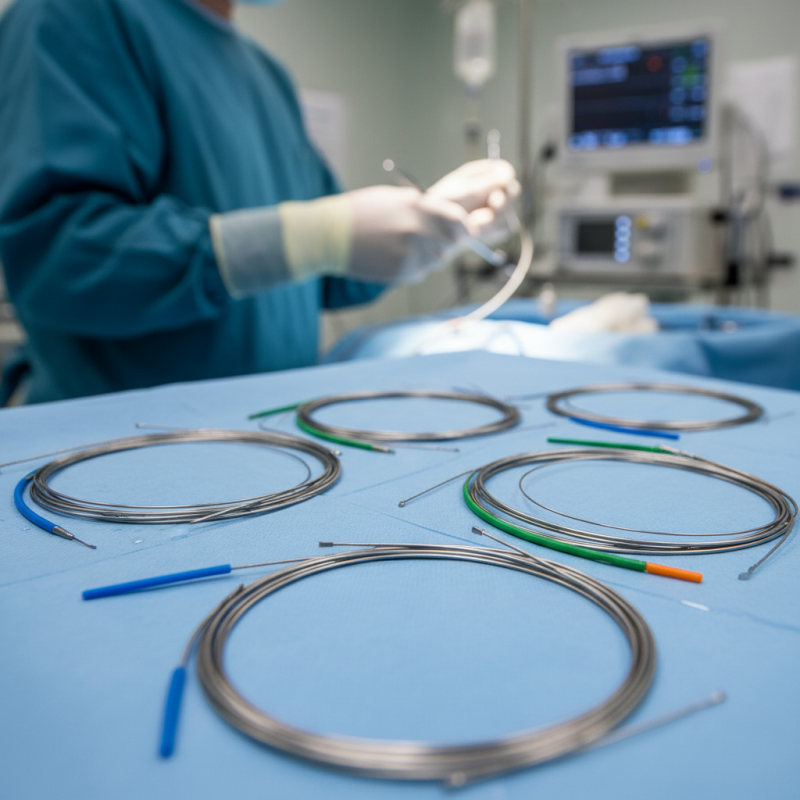
Hydrophilic guidewires are essential tools in various medical procedures. They have a special coating that absorbs water, making them smoother and easier to navigate through the vascular system. This property can reduce friction, allowing for easier access to difficult anatomical areas. However, not all hydrophilic guidewires are created equal, and choosing the right one depends on the specific procedure and the anatomy involved.
When selecting a hydrophilic guidewire, consider the diameter and length. A thicker guidewire often provides better support during navigation. However, it may not be suitable for all cases, especially in smaller vessels. The choice of material is also crucial. Some materials offer greater flexibility, while others focus on torque response. It can be tricky to find the perfect balance between flexibility and support. Reflecting on past experiences may also help in making the right choice. Each procedure is unique, and sometimes the guidewire fails to perform as expected. The nuances of each case can inform better decisions in the future. The detail of the procedure, and patient specifics are paramount in determining effectiveness.
When selecting a hydrophilic guidewire, clinicians should focus on several key considerations. The wire's coating is crucial for enhancing navigation through complex vascular pathways. A study published in the Journal of Vascular Medicine showed that effective coatings can reduce friction by up to 80%. This can significantly improve maneuverability, particularly in tortuous anatomies.
Another important factor is the wire's stiffness. According to recent industry reports, guidewires come in varying stiffness levels tailored for different procedures. Excessively stiff wires can cause vessel trauma, while overly flexible wires may lack support. Finding a balance is critical, as reported cases indicate that 15% of complications arise from inappropriate wire selection.
Additionally, the length of the wire should match the intended procedure. Selecting a guidewire that is too short can lead to difficulties during navigation, while an unnecessarily long wire can complicate handling. Proper training and experience play a vital role. Physicians should continually reassess their techniques and wire choices, as improper use remains a common concern in clinical settings.
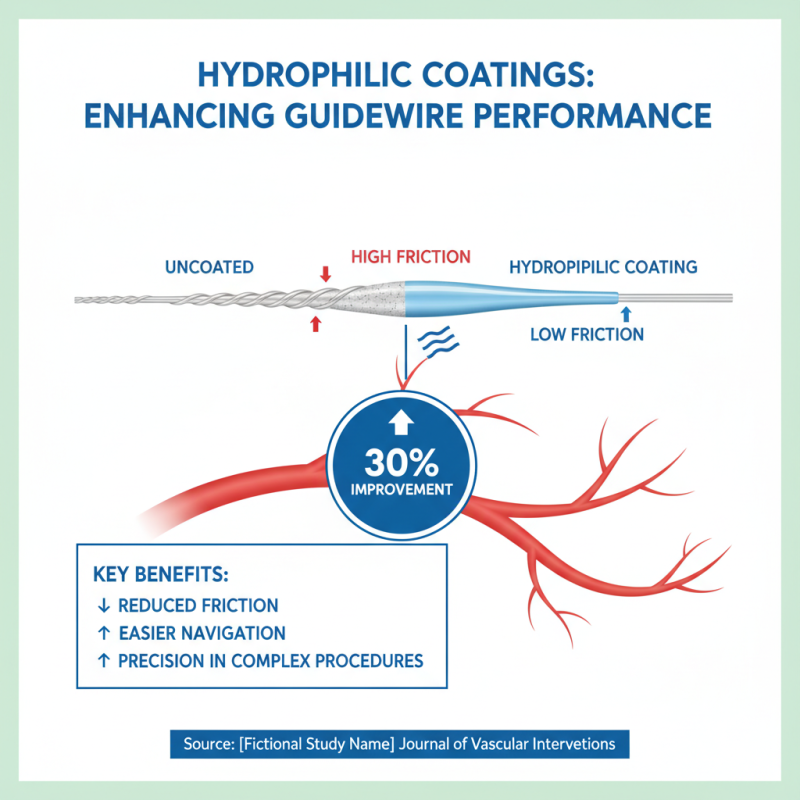
Hydrophilic coatings play a crucial role in the effectiveness of guidewires. These coatings can dramatically reduce friction during procedures. A study showed that guidewires with superior hydrophilic coatings led to a 30% improvement in navigation through vascular pathways. This reduction in friction is valuable in complex procedures where precision is paramount.
Different types of hydrophilic coatings exist in the market. Some are designed for high lubricity while others may prioritize biocompatibility. For instance, a recent report highlighted that hydrophilic coatings can influence patient safety outcomes. Inadequate coatings may lead to complications, increasing procedure times significantly. Therefore, it is essential for practitioners to consider the specific conditions of each procedure when selecting a guidewire.
Yet, it can be challenging to determine the best coating. Factors such as procedural environment and patient characteristics must be analyzed. Misjudgments can lead to inefficient outcomes, causing unnecessary delays. Understanding the nuances of hydrophilic coatings is key. The right choice may improve patient comfort and procedural efficiency.
Choosing the right hydrophilic guidewire is crucial for any medical procedure. When evaluating sizes and lengths, specific applications often dictate the choices available. For instance, a guidewire that is too short may not navigate the complex anatomy of patients with tortuous vessels. Conversely, a wire that is too long can lead to complications, such as unnecessary trauma to surrounding tissues.
A recent industry report highlighted that guidewire lengths typically range from 150 cm to 300 cm. This variety allows for customization based on the procedure. Interventional cardiology often utilizes shorter guidewires due to vessel size. In contrast, long wire applications, such as endovascular procedures, frequently require wires of about 260 cm.
The diameter of the guidewire also plays a pivotal role. Common sizes fluctuate between 0.014 inches and 0.035 inches. A larger diameter guidewire can facilitate device delivery but might be less maneuverable. An inappropriate choice can result in increased friction. Such friction could lead to complications during navigation. Balancing flexibility with stability is an ongoing challenge for medical professionals. Each decision impacts patient outcomes significantly.
When selecting a hydrophilic guidewire, compatibility with catheters and other devices is crucial. A study by the Journal of Vascular Surgery found that nearly 40% of procedural complications were linked to instrument incompatibility. Therefore, ensuring a seamless fit between the guidewire and accompanying devices is vital to minimize risks.
Hydrophilic guidewires enhance maneuverability in complex anatomies. However, improper selection can lead to failures. Healthcare providers must rigorously check specifications. A mismatch could result in significant delays or complications. Additionally, a recent survey among physicians highlighted that 25% had encountered issues due to guidewire incompatibility. This underscores the need for careful assessment.
Flexible materials in guidewires allow for different catheter types. Compatibility extends to dilation balloons, stents, and other tools. Yet, not all guidewires work well with every catheter. Some might cause friction or lead to kinks. Balancing flexibility and strength is essential. A thorough review of available options can prevent unforeseen challenges during procedures.
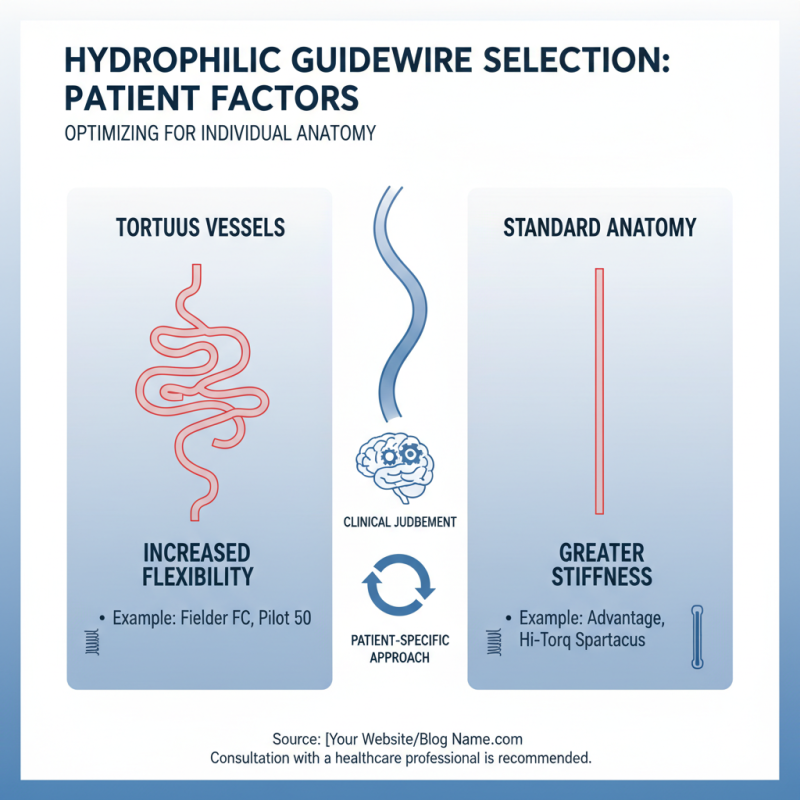
Choosing the right hydrophilic guidewire requires careful consideration of patient factors. Each patient's unique anatomy can significantly impact guidewire selection. For example, patients with tortuous vessels may require a more flexible guidewire. In contrast, those with standard anatomy might do well with a stiffer option. Understanding these differences is crucial.
Patient conditions also influence the decision. Individuals with a history of vascular interventions may have altered anatomy. This can complicate the guidewire selection process. Additionally, age and overall health can affect vessel compliance and resistance. For older patients, a softer guidewire might be more effective.
It's essential to assess each situation comprehensively. Sometimes, unexpected challenges arise during procedures. What works well in one case may fail in another. Personal experience plays a role, too. Learning from instances where the wrong wire was selected can guide future choices. Hence, continuous reflection on past procedures can improve outcomes in the long run.
When using hydrophilic guidewires, proper technique is vital. Always ensure the guidewire is adequately lubricated before insertion. This reduces friction and makes navigation easier. A well-prepared guidewire can significantly improve procedural efficiency.
In clinical settings, be mindful of the specific anatomy of each patient. The surrounding tissues can vary widely. For instance, a guidewire that works seamlessly for one patient may cause complications in another. Observing patient feedback during insertion is crucial. It can provide insights into any discomfort or resistance encountered.
Patience is key. Rushing the process may lead to mistakes. If you feel resistance, reconsider your approach. It’s often better to withdraw and reassess. Learning from experience is essential. Reflecting on past procedures can help refine techniques. Adaptability allows for better results in future procedures.
: Simple activities include walking, stretching, or light yoga. They help build a foundation.
Gradually increase intensity and duration. Mix different workouts to avoid boredom.
Not strictly. Focus on balanced meals with fruits, vegetables, and proteins. Enjoy treats occasionally.
Aim for at least three times a week. Listen to your body; rest when needed.
Change your routine or workout environment. Find a workout buddy to stay accountable.
Very important. Drink water before, during, and after. Dehydration affects performance.
Yes, home workouts can be effective. Use bodyweight exercises or minimal equipment.
Stop immediately and assess the discomfort. Consult a professional if it persists.
Yes, soreness can occur, especially when starting. Recover with rest and gentle stretching.
Keep a journal of workouts and feelings. Take notes on improvements in endurance and strength.
Choosing the right hydrophilic guidewire is crucial for the success of various medical procedures. Understanding the fundamentals of hydrophilic guidewires, including their coatings and sizes, is essential for effective selection. Key considerations include the intended application, compatibility with catheters and other devices, and specific patient factors that may influence the decision.
Different types of hydrophilic coatings can significantly impact the maneuverability and performance of guidewires, making it important to evaluate these characteristics in relation to the procedure at hand. Furthermore, healthcare professionals should adhere to best practices when utilizing hydrophilic guidewires to enhance safety and efficacy during clinical settings. By carefully assessing these elements, medical practitioners can optimize the use of hydrophilic guidewires for better patient outcomes.