You know, the healthcare world is changing pretty fast these days, and along with that, there's a growing need for better medical tech—especially when it comes to infection control. One really interesting innovation that's getting a lot of buzz is the Antibiotic Impregnated Catheter. It's designed specifically to cut down on catheter-associated infections and keep patients safer. As we look ahead to what 2025 might bring in terms of tech trends, we should really focus on finding quality suppliers who can provide these top-notch solutions. Here at Tianck Medical CO., Ltd., we're all about boosting patient outcomes with our precision-engineered products that tackle the real challenges medical professionals face around the globe. In this blog, we’re going to chat about some smart strategies for scouting high-quality suppliers and how to weave the latest advancements in Antibiotic Impregnated Catheters into global procurement practices. Our goal? To make sure healthcare providers have the best tools at their disposal to fight infections and improve care standards.

Impact of Antimicrobial Resistance on Catheter Procurement Strategies in 2025
You know, antimicrobial resistance (AMR) is really shaking things up in healthcare these days. When it comes to getting our hands on antibiotic-coated catheters in 2025, it’s definitely going to be a game changer. With infections from resistant bacteria on the rise, hospitals really need to get creative with how they procure these supplies to keep catheterization safe and efficient. This means they’ll have to take a close look at the products—like how effective they are against a wide range of pathogens—and make sure they’re in line with the new safety guidelines that help manage antibiotic risks.
Over here at Tianck Medical Co., Ltd., we’re all about tackling these tough issues head-on. We’re passionate about designing cutting-edge medical products that not only meet the latest safety requirements but also provide extra protection for patients. Our focus is on precision engineering and, ultimately, improving patient care. We truly see the challenge of AMR as an opportunity to help healthcare providers navigate through all the complexities. For us, prioritizing safety and efficacy in catheter procurement is key, and our goal is to enhance patient care in a world where resistance is a growing concern.
Technological Innovations Driving the Development of Antibiotic Impregnated Catheters
The evolution of antibiotic impregnated catheters is poised to be significantly influenced by emerging technological innovations in the coming years. According to a recent report by MarketsandMarkets, the global market for antibiotic catheters is projected to reach $1.36 billion by 2025, driven by increasing healthcare demands and the rising incidence of catheter-associated infections. As antibacterial resistance becomes a pressing issue, the demand for effective solutions that reduce infection rates continues to escalate. This presents an opportunity for companies like Tianck Medical Co., Ltd. to lead the charge in developing precision-engineered products that cater to medical professionals' needs.
Technological advancements such as advanced coating techniques and smart polymer formulations are revolutionizing the way antibiotic catheters are designed. For instance, the incorporation of nanotechnology in coatings can enhance the release of antibiotics, thereby providing localized and sustained action against pathogens. A study published in the Journal of Vascular Access highlights that catheters with innovative coating technologies can reduce the risk of infection by up to 70%. These innovations not only align with Tianck Medical's commitment to improving patient outcomes but also signify a shift towards more effective and durable medical devices in the healthcare landscape worldwide.
2025 Trends in Antibiotic Impregnated Catheters
Market Insights: Projected Growth Rate of Antibiotic Catheters in Global Healthcare Procurement
You know, the world of healthcare procurement is changing really fast, especially when it comes to antibiotic-impregnated catheters. A recent market research report suggests that we're going to see a big jump in demand for these high-tech medical devices because they really help cut down on surgical site infections (SSIs). In fact, the global market for controlling these infections is expected to grow at an annual rate of about 5.67%. By 2033, it's looking like we'll hit a market size of around USD 9,176.6 million! Pretty impressive, right? This really shows how much we're starting to emphasize infection prevention in medical procedures and the need for innovative solutions in hospitals all over the globe.
On top of that, the Foley catheter market is also on the rise, with projections showing revenues could climb from USD 1,835.7 million in 2024 to about USD 2,579.7 million by 2030. That’s a solid growth rate, and it highlights how there’s a growing demand for effective urinary catheterization methods, especially those with antibiotic coatings to help lower the chances of infections. And let’s not forget the vascular access devices market; it’s expected to grow at a whopping 7.1% annual rate from 2025 to 2034. This really emphasizes the shift towards adopting advanced technologies aimed at preventing infections in healthcare procurement. All these insights point to a significant trend where safety and effectiveness are becoming the top priorities when selecting medical devices.
Exploring the 2025 Technological Trends for Best Antibiotic Impregnated Catheters in Global Procurement - Market Insights
| Year | Market Size (in Million USD) | Projected Growth Rate (%) | Key Factors Driving Growth | Regions with Highest Demand |
| 2023 | 1500 | 5% | Increase in hospital-acquired infections, technology advancements | North America, Europe |
| 2024 | 1580 | 5.3% | Rising adoption in outpatient settings | Asia-Pacific, Latin America |
| 2025 | 1660 | 5.5% | Regulatory approvals of new antibiotic agents | North America, Europe, Middle East |
| 2026 | 1750 | 6% | Growing aging population with chronic diseases | Europe, North America |
Examining Regulatory Changes and Their Influence on Catheter Design in 2025
Hey there! So, let’s talk about what’s happening in the world of antibiotic-impregnated catheters. Big changes are on the horizon for 2025, thanks to some new regulations that are really focused on boosting patient safety and effectiveness. A recent report from the Global Catheter Association highlights how regulatory agencies are getting stricter with the guidelines for making and testing these antimicrobial catheters. This shift is a game-changer for catheter design, pushing manufacturers to get creative with materials and coatings that help cut down on infection risks. For example, did you know that catheters coated with silver ions can actually lower the chances of urinary tract infections linked to catheters by a whopping 80%? That really highlights why following these new regulations is so crucial.
On top of that, there are tougher biocompatibility requirements coming into play, which is shaking up how manufacturers think about designing catheters. The latest standards from the FDA are demanding thorough testing for leachables and extractables, which definitely affects the choice of raw materials. According to MedTech Europe, by 2025, we’re likely to see around 70% of new catheter designs featuring smart technology. We’re talking about things like embedded sensors that can detect infections in real-time, giving healthcare teams a chance to act quickly. This combination of advanced tech and stricter regulations is not just a step forward; it’s also a response to the growing calls from healthcare providers for better, safer catheter options.
Data-Driven Approaches: How AI is Enhancing Procurement Efficiency for Medical Devices
Looking ahead to 2025, it’s pretty clear that artificial intelligence (AI) is going to shake things up in the procurement realm, especially when it comes to sourcing those critical antibiotic-impregnated catheters in the medical device industry. You see, by really diving into data-driven methods, procurement teams can boost their efficiency, cut down on costs, and make sure essential Medical Supplies are on hand when they're needed most. With the power of AI algorithms, handling mountains of data becomes a cakewalk—these tools can spot trends and even predict demand. This way, companies like Tianck Medical CO., Ltd. can quickly adapt to the ever-changing needs of healthcare pros and their patients.
Tip: If you’re not already doing this, consider using AI-powered analytics to keep an eye on how your suppliers are doing and to streamline your inventory management. It’s all about making your procurement strategy both proactive and reactive, right?
But wait, there’s more! AI can also help you dissect those supplier contracts and minimize risks by giving you insights into market shifts and how reliable your suppliers really are. This isn’t just about smarter decisions; it’s also about building partnerships that drive innovation and quality in medical device manufacturing.
Tip: Don’t forget to regularly update your procurement criteria based on what AI tells you about new tech trends and what patients need. This kind of agility is key to keeping a competitive edge in the healthcare market.
Sustainability Trends: The Role of Eco-Friendly Materials in Future Catheter Technologies
You know, the healthcare industry is really starting to get how crucial sustainability is, especially when it comes to medical devices like antibiotic-infused catheters. I came across this report from Grand View Research that says the global catheter market could hit a whopping $40 billion by 2025! It’s not just about the latest tech anymore; there’s a growing demand for eco-friendly materials, too. Hospitals are on a mission to cut down their carbon footprints and meet those pesky sustainability regulations, so incorporating biodegradable polymers and recycled materials into catheter production is becoming super important.
What's even more interesting is that recent studies show these eco-friendly catheters can actually make a pretty big difference for the environment without skimping on performance. Like, one study in the Journal of Biomedical Materials Research pointed out that using biopolymers could cut down the overall waste from medical devices by as much as 30%! And with procurement practices shifting towards sustainability, companies that jump on the green materials bandwagon are likely to stand out in the crowd. So, investing in eco-friendly catheter technologies isn't just the right thing to do; it's also a smart business move in the global procurement game.
Exploring the Significance and Benefits of Arterial Catheters in Modern Medical Practice
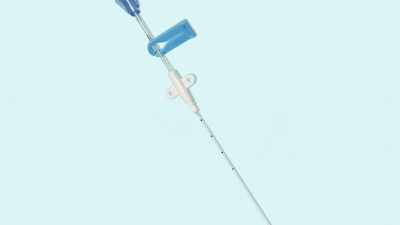
The use of arterial catheters, often referred to as A-lines, plays a pivotal role in modern medical practice, particularly in Critical Care settings. These thin, flexible tubes are essential for continuous blood pressure monitoring, frequent blood sample collection, and hemodynamic assessment. According to a report from the American Journal of Critical Care, the implementation of arterial catheters has significantly enhanced the ability to make timely clinical decisions in critically ill patients, leading to improved outcomes and reduced complications.
Recent studies indicate that the use of arterial catheters can decrease the length of hospital stays by enabling more accurate blood pressure management and facilitating the administration of medications in a controlled manner. The efficiency of A-lines allows for rapid response to patient needs, as noted in a research article published by the Journal of Intensive Care Medicine, where a 20% reduction in adverse events was observed after integrating routine use of arterial catheters in management protocols for sepsis-related hypotension.
Moreover, arterial catheters are critical in minimizing the need for multiple venipunctures, thus reducing patient discomfort and the risk of infection. The advantages of utilizing A-lines extend beyond immediate clinical benefits; they have become an integral part of advanced monitoring systems, underscoring their significance in modern medical practice. As healthcare continues to evolve, the role of arterial catheters will remain essential, providing healthcare professionals with the tools needed to enhance patient care in complex clinical environments.
FAQS
MR) on catheter procurement strategies in 2025?
Regulatory agencies are tightening guidelines, leading manufacturers to innovate materials and coatings, such as silver ion coatings, to reduce infection risks and enhance patient safety.
By 2025, around 70% of new catheter designs are anticipated to incorporate smart technology, including embedded sensors for real-time infection detection.
Hospitals are increasingly demanding eco-friendly materials in catheter production to reduce environmental impact while maintaining high performance, leading to the integration of biodegradable polymers and recycled materials.
As procurement practices increasingly prioritize sustainability, companies utilizing green materials are expected to have a competitive edge in the marketplace.
Updated biocompatibility requirements necessitate comprehensive testing for leachables and extractables, influencing the selection of raw materials used in catheter manufacturing.
Precision engineering is essential for ensuring that catheters meet the latest safety standards and enhance patient outcomes amid the challenges posed by AMR.
Studies indicate that catheters with certain coatings, such as silver ion coatings, may reduce catheter-associated urinary tract infections (CAUTIs) by up to 80%.
The global catheter market is expected to reach $40 billion by 2025, driven by technological advancements and the increased focus on eco-friendly materials.
Healthcare providers should expect innovations in catheter design that prioritize safety, efficacy, and sustainability, aligning with regulatory changes and market demands.